
JB-4-Ex/JB-6-Ex Explosion-Proof Weighing Junction Box
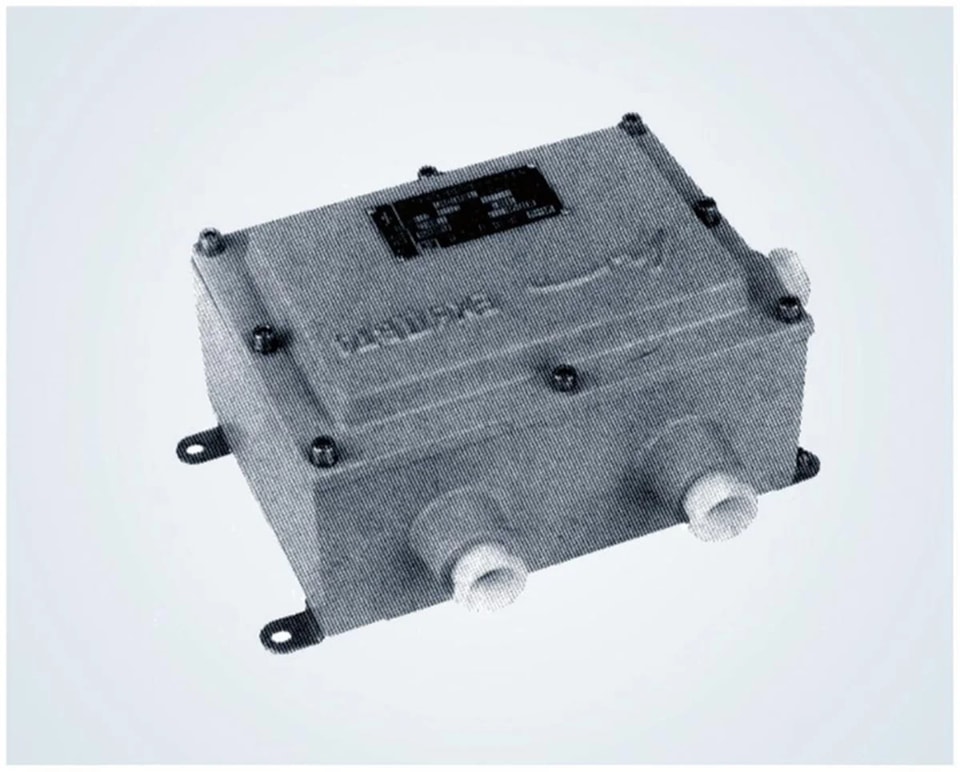
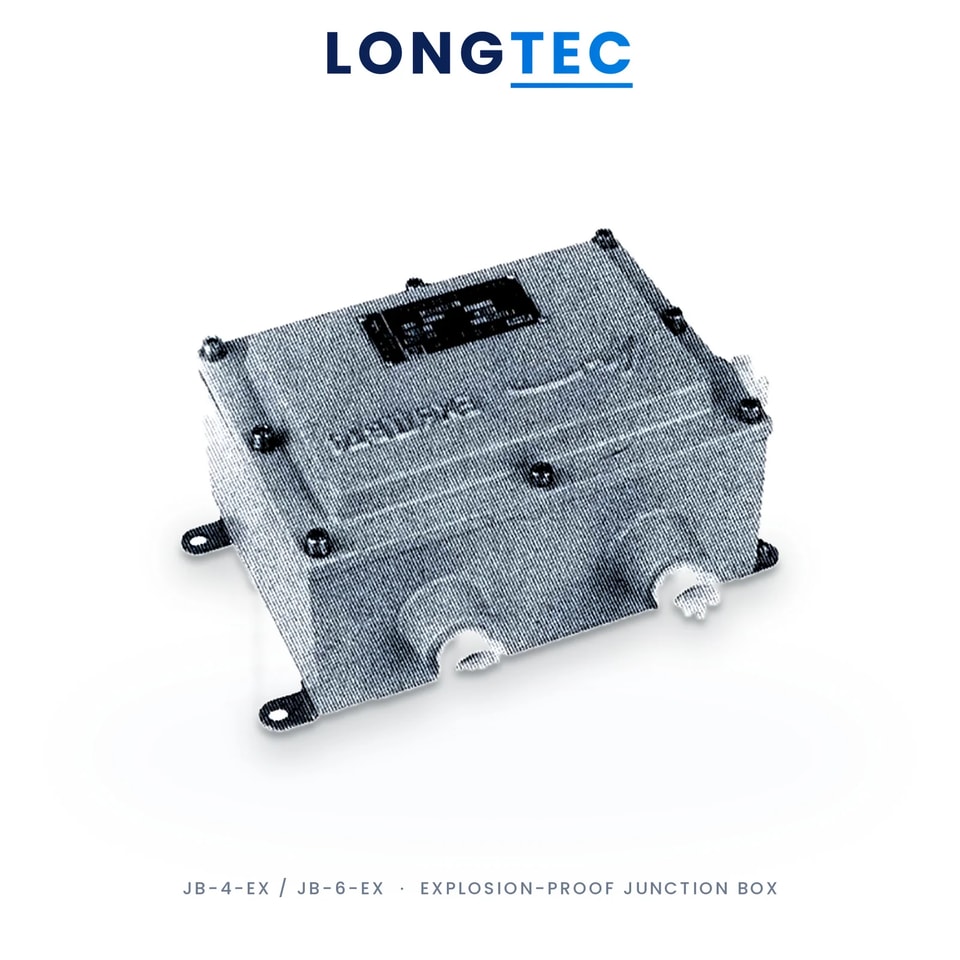
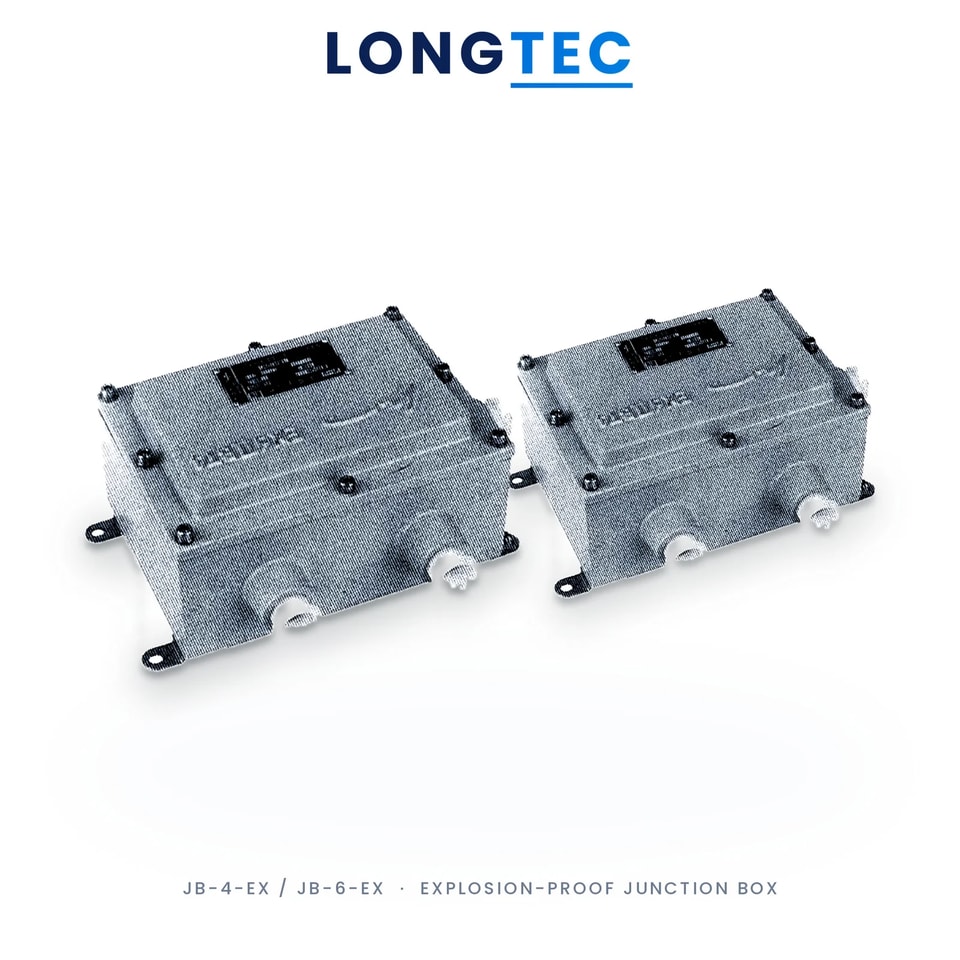
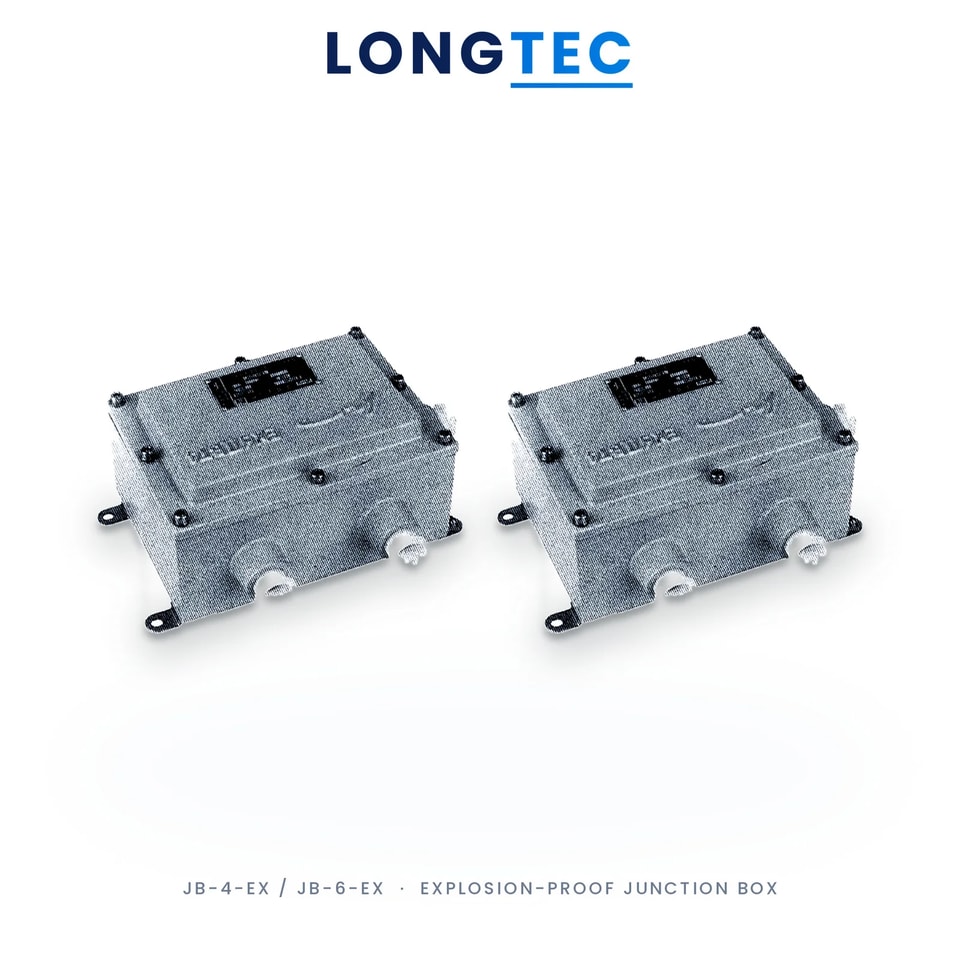
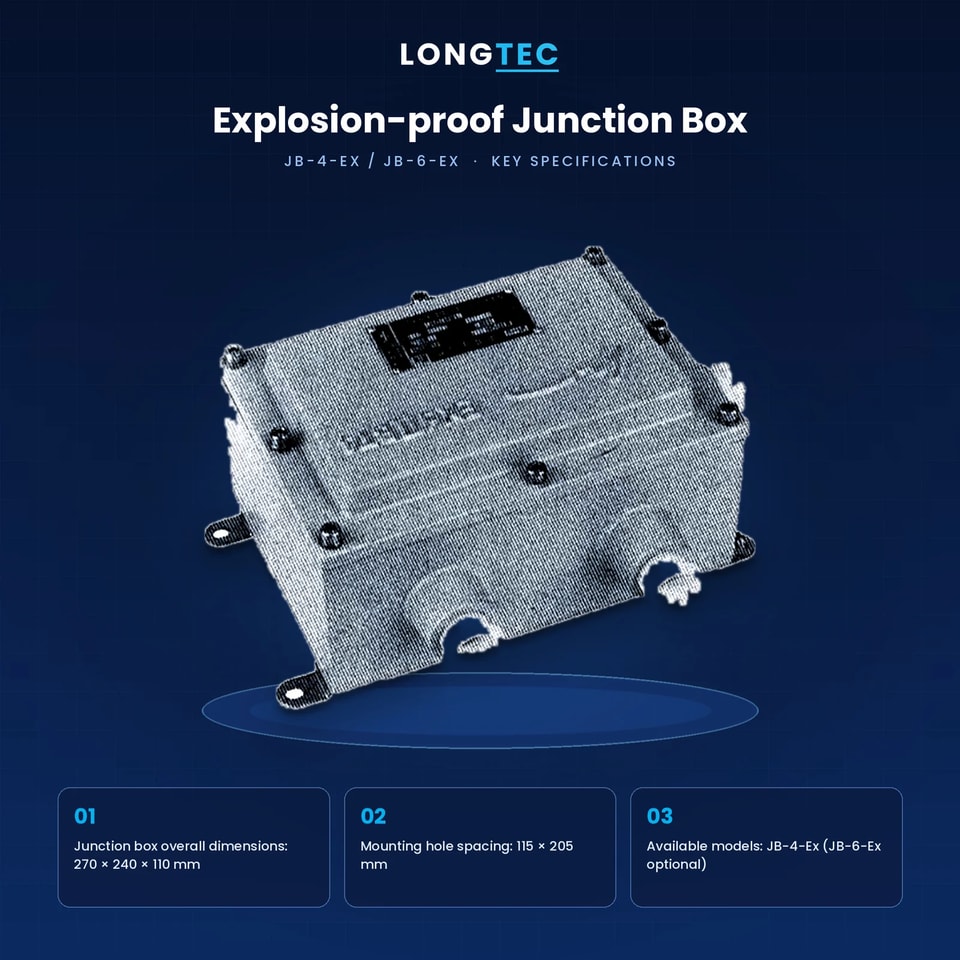
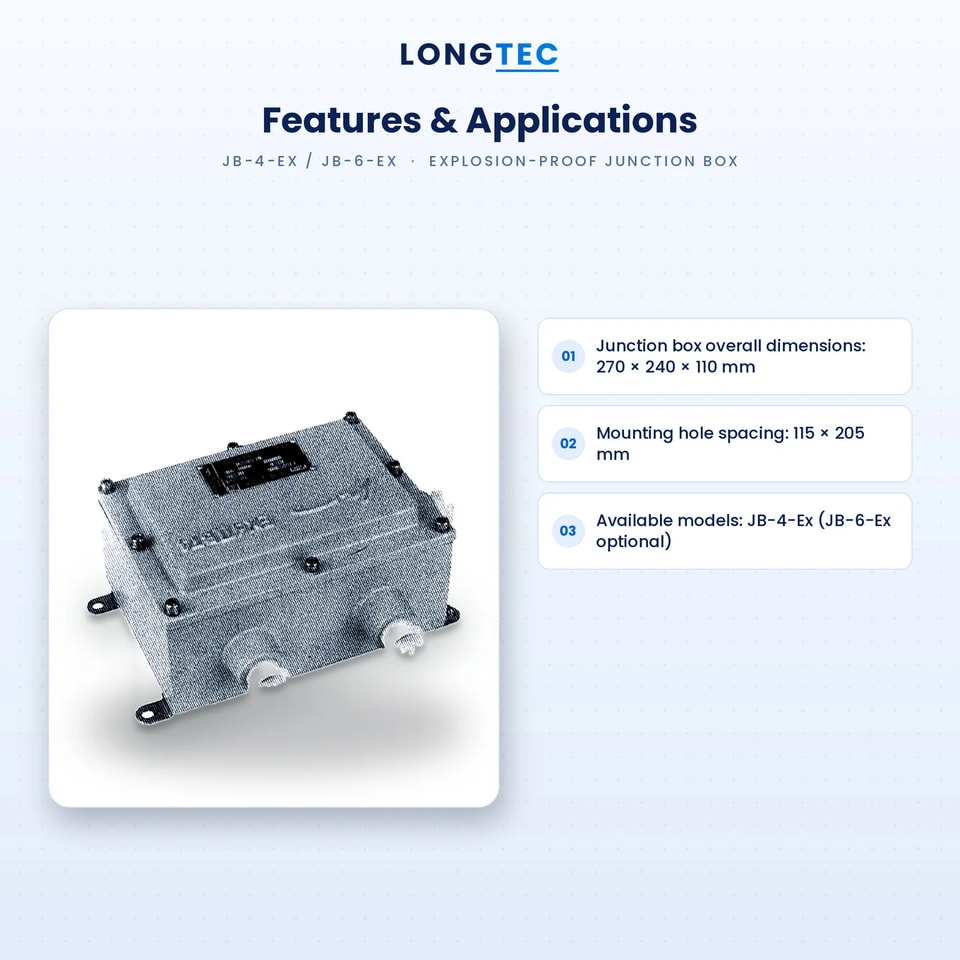
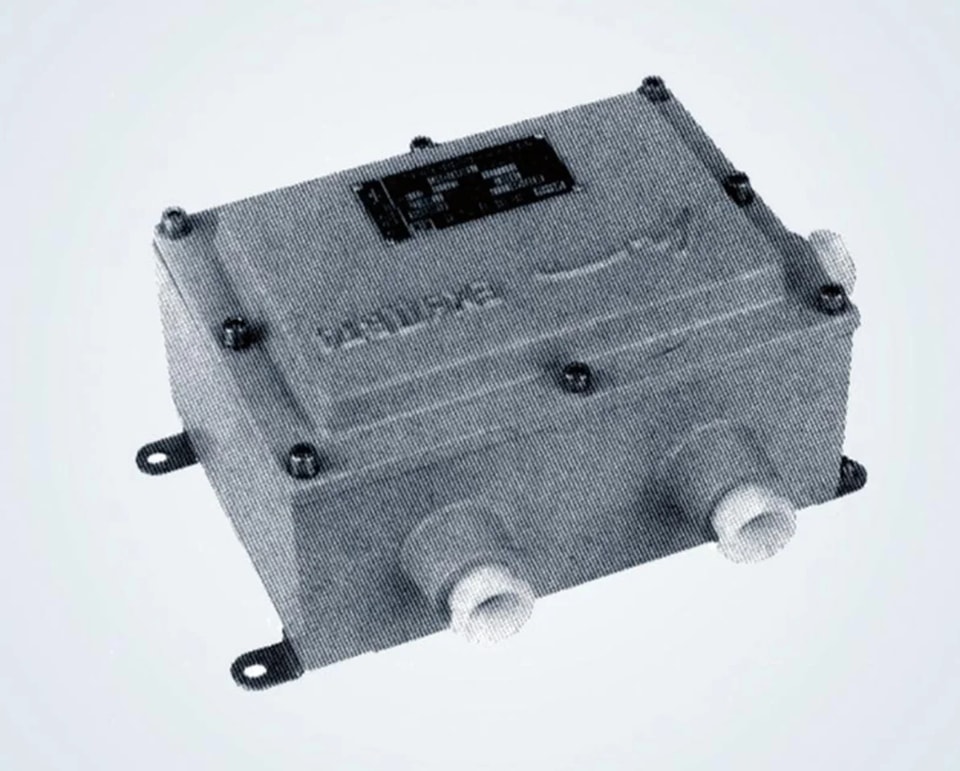
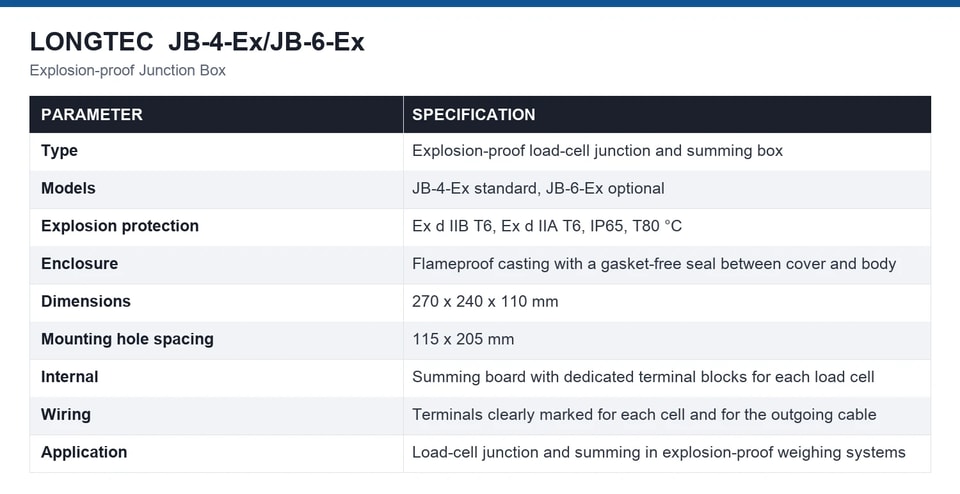
The JB-4-Ex and JB-6-Ex are explosion-proof junction boxes for load-cell weighing systems in classified areas. Inside is the same summing arrangement as the stainless JB series, with dedicated marked terminals for each cell, but the enclosure is a flameproof casting rated Ex d IIB T6, Ex d IIA T6, IP65 and T80 C, with a gasket-free seal between the cover and the body. That last detail matters in practice: a gasket degrades with solvent and with temperature cycling, and a gasket-free flameproof joint is what keeps the certification valid over years of service. The box measures 270 x 240 x 110 mm with mounting holes at 115 x 205 mm, which is larger than the stainless version because a flameproof enclosure needs wall thickness and a flame path.
· Flameproof enclosure rated Ex d IIB T6, Ex d IIA T6, IP65 and T80 C for classified gas areas.
· Gasket-free seal between cover and body, so the flameproof joint does not degrade with solvent or heat cycling.
· Dedicated marked terminals for each load cell, with the same summing arrangement as the stainless JB series.
· 270 x 240 x 110 mm with mounting holes at 115 x 205 mm, sized for a flameproof wall and flame path.
· JB-4-Ex for four load cells with JB-6-Ex for six as an option.
· Lets an ordinary load-cell weighing system be installed in a zone where a general-purpose box is not permitted.
The JB-EX is used wherever load cells sit in a hazardous area: solvent and paint plants, chemical and petrochemical installations, LPG and fuel terminals, grain and starch plants with combustible dust, and explosives or pyrotechnic facilities. It is the junction point between the cells and the safe-area transmitter, and it is the component that lets an ordinary weighing system be installed in a zone where a general-purpose box would not be permitted.
What does Ex d IIB T6 mean?
Ex d is flameproof enclosure: an internal explosion is contained and the flame is cooled through the flame path before it reaches the outside atmosphere. IIB is the gas group, which covers most industrial gases including ethylene, and T6 is the temperature class, meaning the surface never exceeds 85 °C. IIA is a narrower gas group for gases such as propane.
Why does the gasket-free seal matter?
A gasket is the usual weak point of a flameproof enclosure in a chemical plant: solvent attacks it, heat cycling hardens it, and once it is replaced outside a workshop the certification is questionable. A metal-to-metal flame path with no gasket keeps the joint as certified for the life of the box.
Which model do I need?
JB-4-Ex for four load cells and JB-6-Ex for six. Count the cells on the scale, and confirm that the cable entries and the terminal count match the number of cells and the outgoing cable.
Does the box need a barrier?
The box is the flameproof junction; the circuit that enters it from the safe area still has to be assessed for the zone. In most installations the transmitter sits in the safe area and the cable to the box is a hazardous-area cable, with the appropriate marking and installation rules.
Is IP65 enough in a wash-down area?
IP65 protects against dust and water jets, which covers most outdoor and process areas. For a high-pressure wash-down in a food plant, a higher IP rating and a different enclosure material are usually specified; the flameproof version is aimed at chemical and dust hazards rather than hygiene.
Solutions & Support
We go the extra mile to thoroughly analyze each project and deliver tailored business solutions that meet your specific requirements.
Contact US
×