
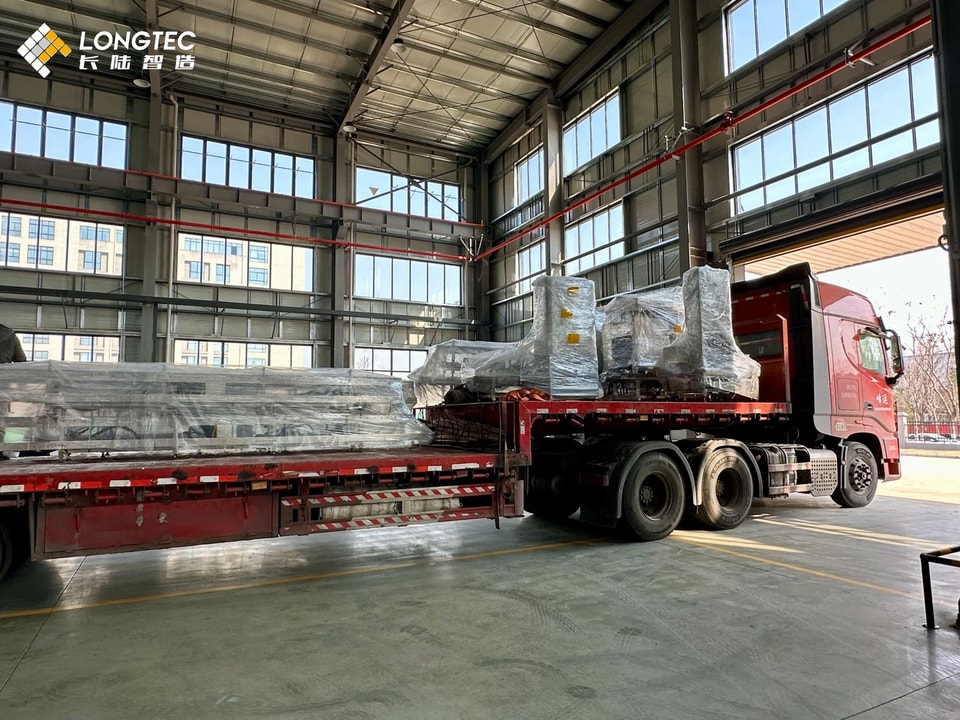
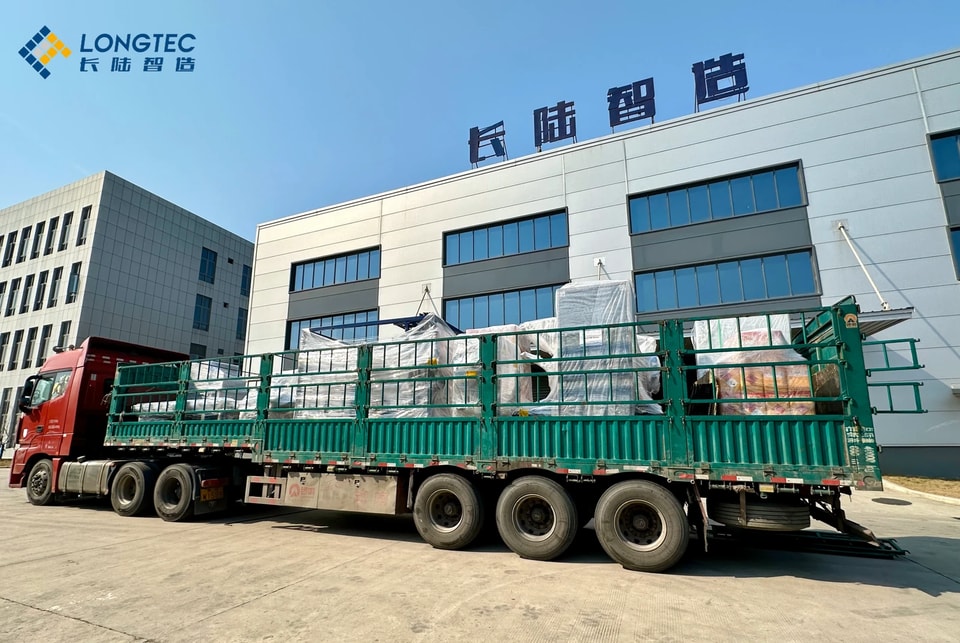
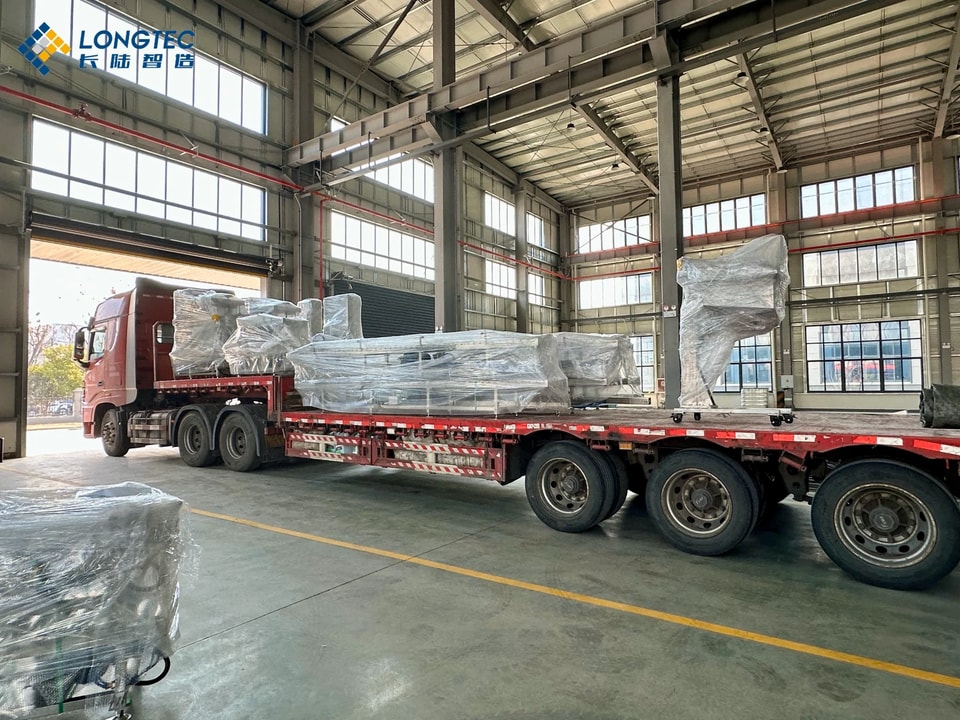
Packaging & Logistics
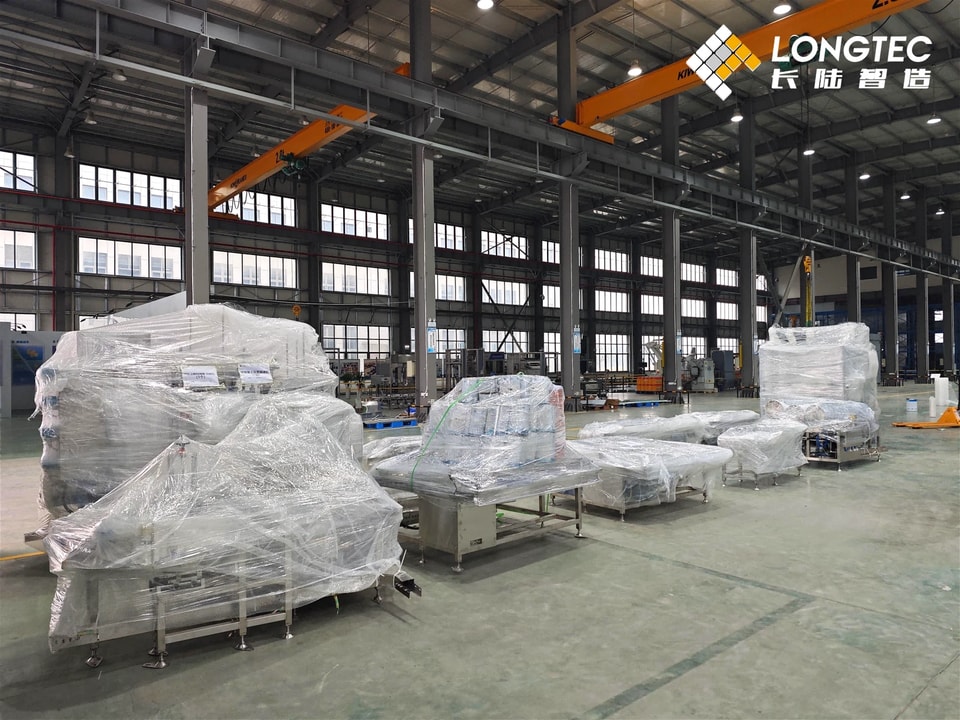
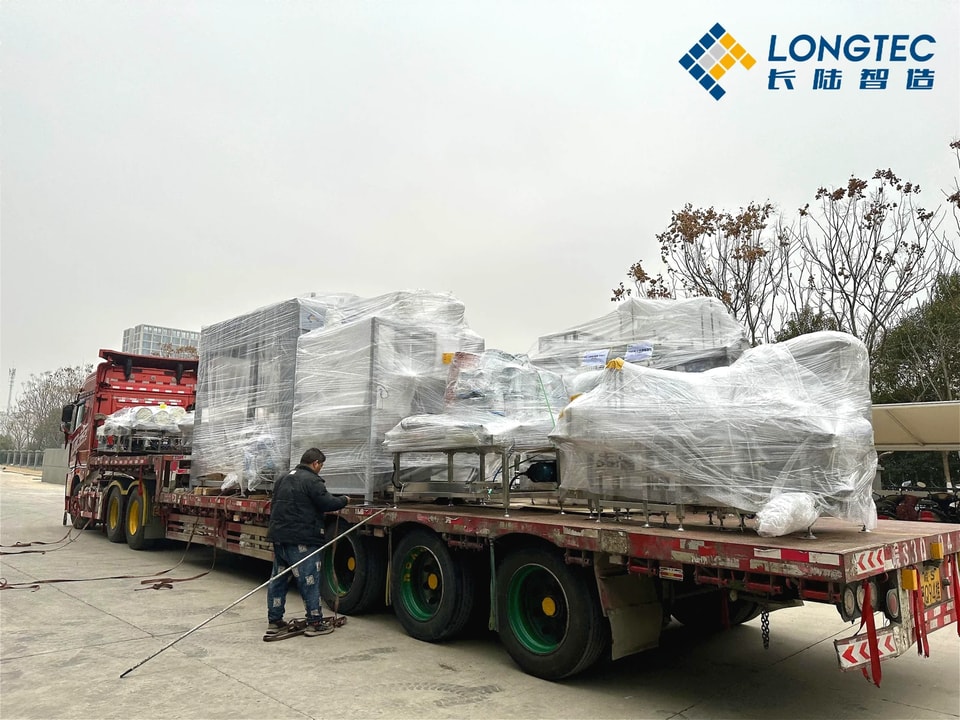
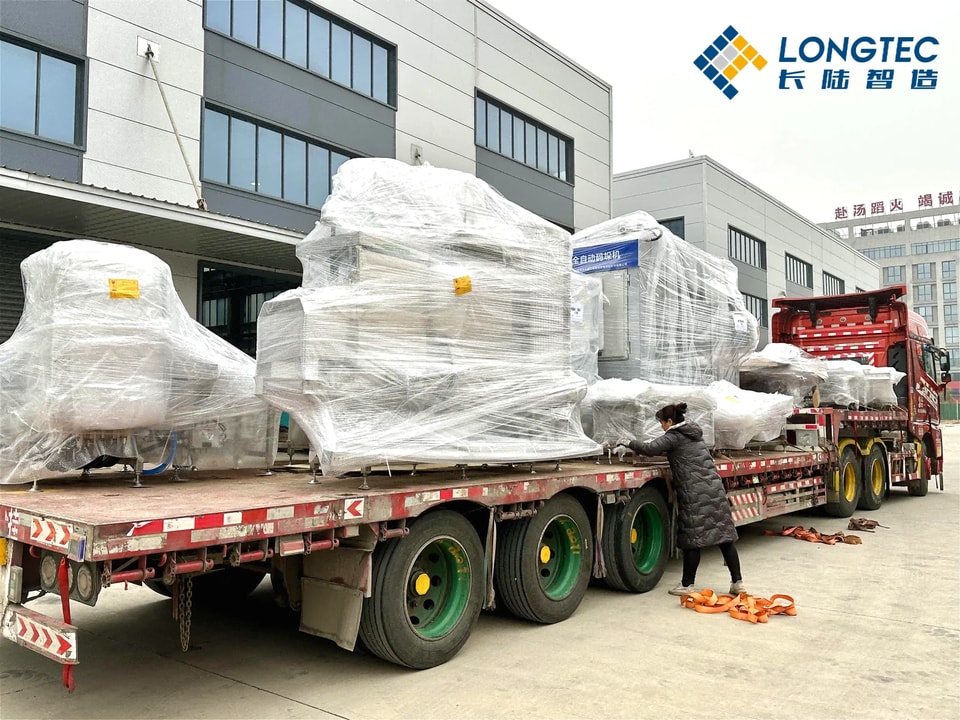
We adopt standardized, traceable packaging & shipping workflow for every order. Our dedicated packing team follows strict packaging specifications tailored to instrument features, using shockproof, dustproof and moisture-proof materials to safeguard precision equipment during transit.
We manage all shipment data via a dedicated shipping management system. Every step, from packing inspection, palletizing, document preparation to handover, is fully recorded and traceable. We maintain stable long-term partnerships with qualified logistics carriers and professional freight forwarders, who are well-versed in cross-border customs clearance rules for industrial instruments.
We offer flexible shipping solutions covering sea, air and rail transport. Our team tracks cargo status continuously after dispatch, promptly updating logistics information for customers. Whether for small trial orders or bulk project deliveries, we commit to stable lead time, safe cargo delivery and smooth cross-border transportation, eliminating your worries about international shipment.
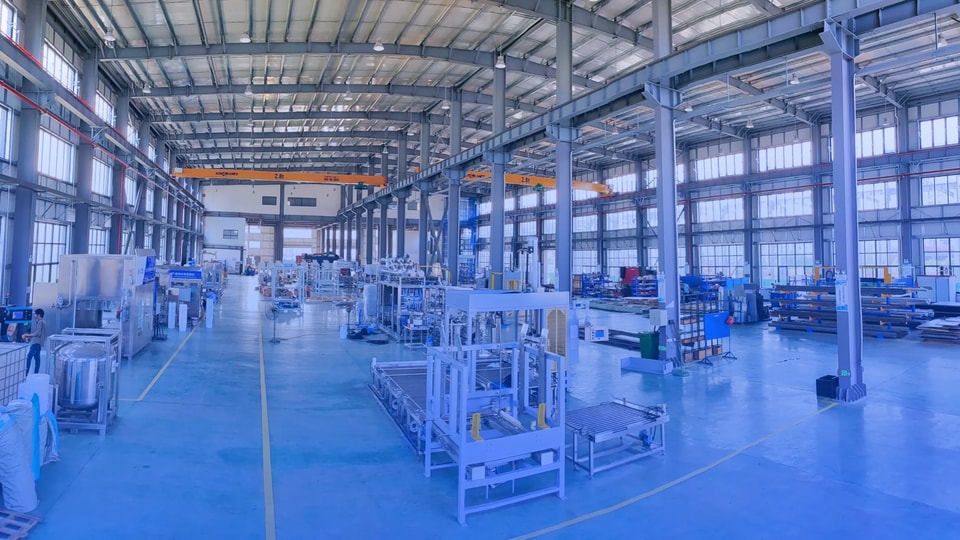
Production & Quality Control
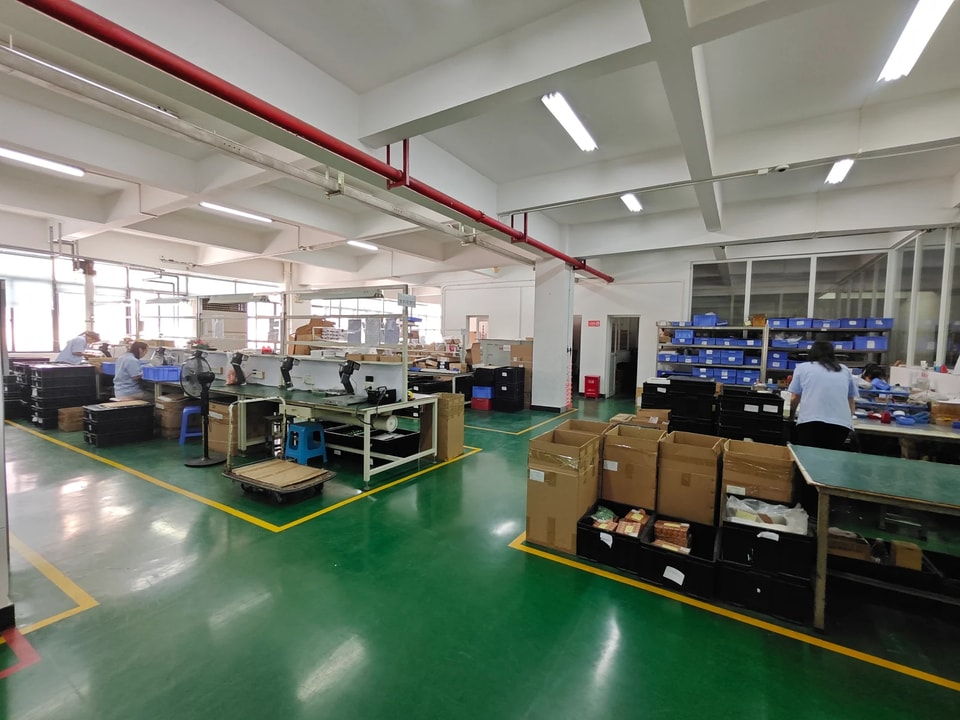
Instrument Assembly
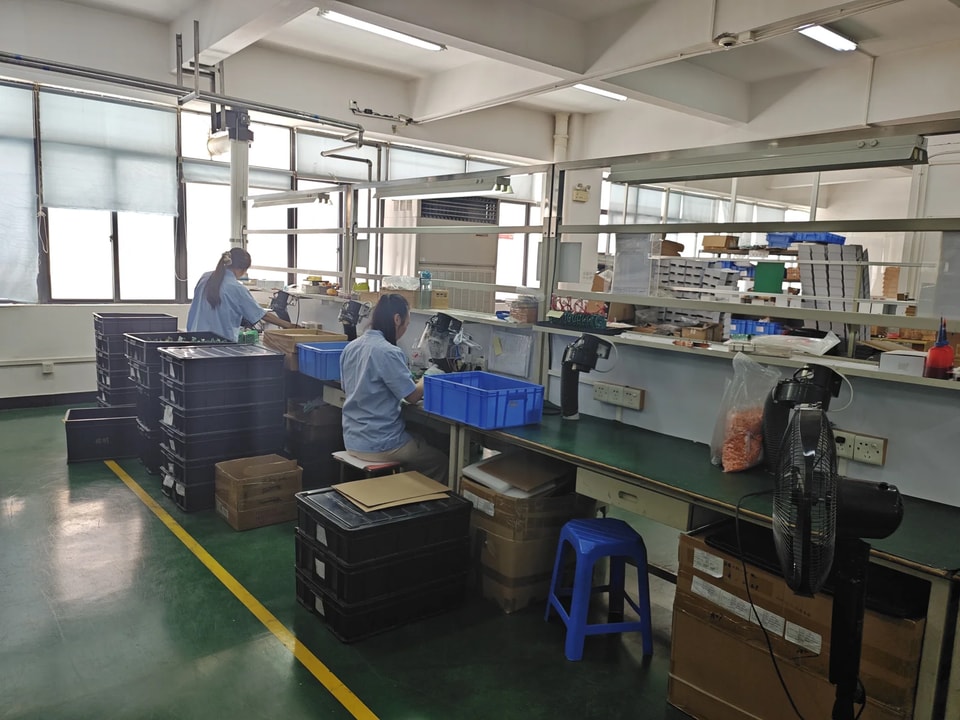
Assembly Line
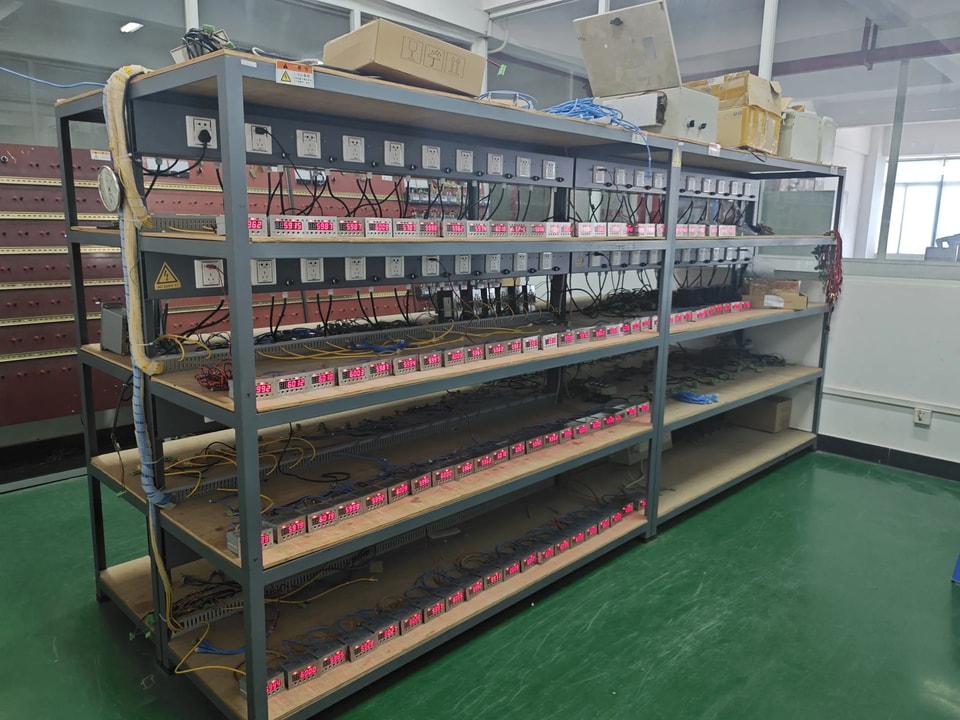
Power-on Test
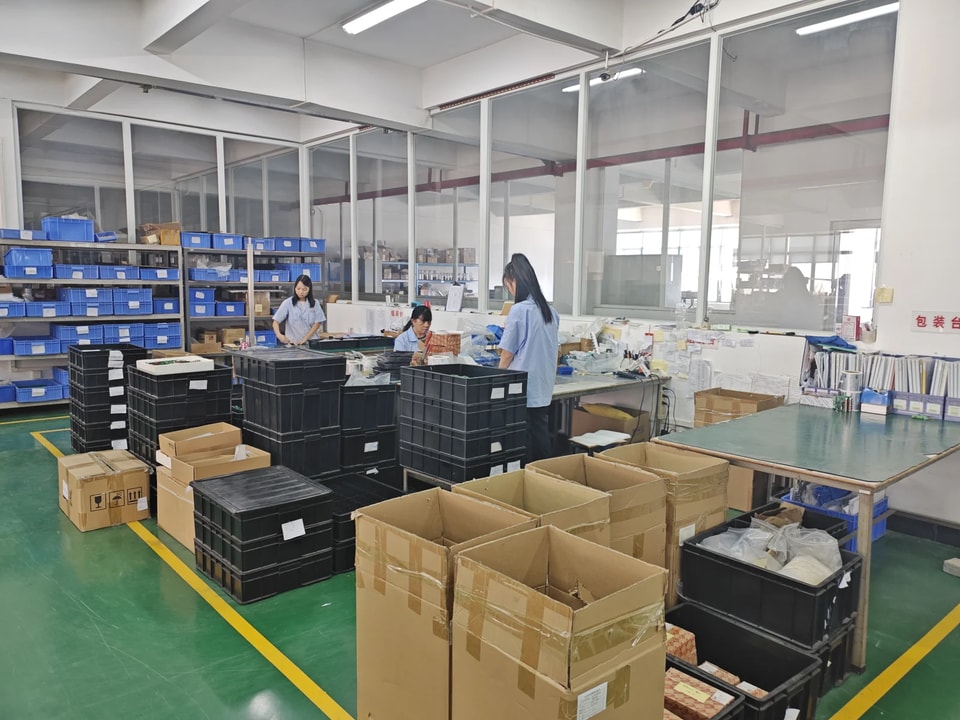
Workshop Inspection
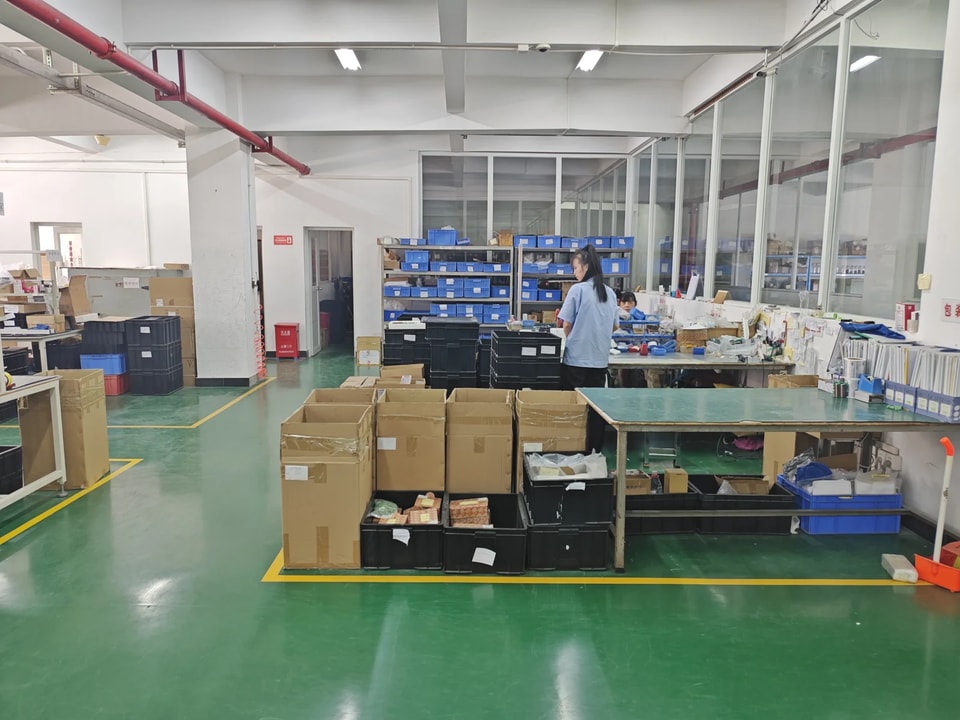
Packing & Warehousing
Technical Support & Service
We attach great importance to full-lifecycle customer service. Our technical team possesses rich application experience. We provide pre-sales technical consultation, scheme simulation, regular technical training and rapid after-sales response. We keep long-term technical support for delivered equipment to minimize downtime risk for your production line.
Our team is capable of PLC connection and programming. With self-developed HPS products, we provide professional automation renovation service for existing production lines and instrument systems.
Pre-sales
Measurement principle selection, installation position review, sample testing.
Delivery
Commissioning support, PLC / HPS integration, operator training.
After-sales
Remote diagnosis, spare parts, on-site service, long-term technical support.
OEM & Customization
LONGTEC supports OEM supply for its instruments. We can customize the nameplate and the display name with your brand, so the instruments are delivered under your own label.
Customization options vary by product. Please contact our sales team with the model you need, and we will confirm what can be customized.
Custom Nameplate
Your brand name and logo on the instrument nameplate.
Custom Display Name
Your brand or product name shown on the instrument display.
FAQ
What technical routes are available for online moisture measurement instruments?
There are three mainstream technical routes for industrial online moisture measurement: near-infrared reflectance, high-frequency radar, and microwave penetration. The difference among them lies not in precision level, but in measurability, measurement depth and installation position.
Near-infrared reflectance It irradiates the material surface with near-infrared light of specific wavelengths. Water molecules absorb part of the energy, and the instrument calculates moisture content based on attenuation of reflected energy. It measures surface-layer moisture and is sensitive to material color and surface conditions. Distortion may easily occur for dark-colored, high-reflective or surface-crusted materials. Representative model IM2000: moisture measuring range 0–50%. Typical accuracy is 0.2–0.3% subject to application conditions. Measuring area Φ120 mm, standard measuring distance 275 mm ±50 mm, response time 1 s. Non-contact installation above conveyor belt.
High-frequency radar It emits 100–150 MHz high-frequency electromagnetic waves and measures moisture via dielectric property differences between water and other materials. It can penetrate to a certain depth inside the material bed. Representative model HV200: accuracy ±0.1% moisture, measuring depth 60–160 mm (varies with material and compaction level), protection class IP67, DC24V (18–36 V) power supply, RS485 + 4–20 mA output, maximum transmission distance 500 m. Suitable for bulk materials such as sandstone, ore, coal and coke.
Microwave penetration It uses 1000–5000 MHz microwaves to penetrate the whole material and calculates total moisture content from signal attenuation, largely immune to surface conditions. Representative model RF5000: accuracy 0.2–0.5% (for 3% span), penetration thickness ≤300 mm (RF5000B accessory available for thickness over 300 mm), protection class IP65, operating frequency 1000–5000 MHz, microwave power adjustable in 10 gears from 20–35 dBm, with high/low moisture alarm output. This route is preferred for dark-colored and high-moisture materials.
Selection logic Check material color first (exclude near-infrared for dark materials) → then confirm whether internal-layer measurement is required (choose radar or microwave if yes) → finally verify installation space and environmental protection requirements. These three routes are not mutually exclusive. Combined deployment (surface-layer + inner-bed measurement) on one production line is also common practice.
How to choose between infrared moisture meter and microwave moisture meter?
The essential difference between the two routes is surface-layer measurement versus bulk-material overall measurement. Please follow the three-step judgment below in sequence.
Step 1: Check material color Infrared devices work based on reflected light. Dark or black, high-reflective materials absorb or scatter most near-infrared energy, resulting in weak signals and poor repeatability. For such materials, the infrared route should be ruled out directly. For light-colored conventional materials, infrared is usually the simplest configuration with the lowest maintenance cost.
Step 2: Confirm whether inner-bed moisture measurement is needed Infrared only measures surface-layer moisture (millimeter-scale). Where significant moisture difference exists between material surface and interior — e.g. material right after dryer with dry outer layer but wet inner core — surface-layer readings will mislead process control. In such cases penetration-type solutions are preferred: microwaves can penetrate material bed up to 300 mm and deliver average moisture content of the whole bulk.
Step 3: Review installation and working conditions Infrared requires fixed measuring distance (275 mm ±50 mm for IM2000). Avoid direct sunlight at the measuring point. Microwave is non-contact and penetration-type and tolerates material bed of certain thickness, yet material thickness should not exceed 300 mm. Air cooling is required when ambient temperature exceeds 50 °C (RF5000 nominal operating temperature: −15–50 °C, IP65).
On cost Price gaps between the two technical routes mainly stem from probe quantity, protection grade, requirement for secondary instruments and mounting brackets, rather than the technology itself. For formal quotation, please consult the manufacturer based on measuring-point quantity and site conditions. Direct unit-price comparison without context is not recommended.
Why do dark/black materials yield inaccurate moisture readings? Which instrument should I select?
The root cause lies in the working principle of near-infrared instruments, which calculate moisture from reflected light intensity. Near-infrared moisture meters project specific-wavelength light onto materials; water molecules absorb partial energy, and moisture content is derived from attenuation of reflected light. Dark-colored materials inherently absorb a large portion of near-infrared light, so reflected return signals become weak. Any change in material color alters reflectance, which may be misinterpreted by the instrument as moisture variation. This explains why near-infrared meters cannot achieve reliable calibration for dark materials.
Recommended solutions: routes independent of surface reflection
- Microwave penetration (RF5000): Measures overall signal attenuation after penetrating material bed, nearly unaffected by color and surface status. Accuracy 0.2–0.5% (for 3% span), penetration thickness ≤300 mm, operating temperature −15–50 °C, IP65 protection, with high/low-moisture alarm output.
- High-frequency radar (HV200): Measures moisture via dielectric property difference between water and other substances. Accuracy ±0.1% moisture, detection depth 60–160 mm (depends on material and compaction), IP67 protection grade, capable of long-term operation under heavy-dust conditions.
Typical materials Coal, coke, dark ore & ore powder, sandstone aggregates, dark-colored powders, dark recycled materials, etc. Near-infrared solutions are not recommended for these scenarios. For materials with inconsistent color (e.g. mixed recycled feedstock), microwave or radar are also preferred. Color fluctuation will skew calibration curves of near-infrared devices; even after calibration, recalibration is required for each new batch.
Note: Above are principle-based selection guidelines. For final model confirmation, sample testing on actual equipment is advised to verify material compatibility.
What is the proper installation distance between probe and material?
Different models have distinct standard measuring distances. Improper mounting will cause reading deviation or even signal loss. Standard distances for common models are listed below:
| Model | Standard Measuring Distance | Spot / Measuring Area |
|---|---|---|
| IM2000 Online Infrared Moisture Analyzer | 275 mm ±50 mm | Φ120 mm |
| UD66 Near-Infrared Composition Analyzer | 250 mm ±100 mm | Spot >100 mm |
Three supplementary notes
- IM2000 standard measuring distance is 275 mm ±50 mm, where the Φ120 mm measuring area is specified. Longer distance enlarges spot size and weakens signal. Recalibration is needed when out of the ±50 mm tolerance range.
- UD66 is fixed via clamp onto a Φ30 mm mounting bracket and supports multi-angle installation. Its 250 mm ±100 mm working-distance tolerance grants higher installation flexibility.
- For near-infrared series (IM2000, IM1500), avoid direct sunlight hitting the measuring zone. Ambient background light generally does not affect measurement, yet direct solar radiation will interfere with signals.
What is the typical accuracy of online moisture meters? Can ±0.2% accuracy be achieved?
±0.2% accuracy is achievable, yet definition of “0.2%” must be clarified. Industrial online moisture meters adopt two common accuracy definitions: absolute error (e.g. ±0.2% moisture content) and relative error (e.g. 5% of measured moisture value). Performance of one single instrument varies greatly between low-moisture range (e.g. 3%) and high-moisture range (e.g. 40%). Comparisons are meaningless without clear accuracy definitions.
Nominal specifications of our product models are subject to official datasheet.
Three important prerequisites
- The above-stated accuracy figures are obtained under defined material and calibrated conditions. Recalibration is normally required when switching materials or production-site conditions; achievable accuracy changes with material properties.
- Calibration reference samples must be tested via laboratory oven-drying method or corresponding national standard methods, and samples shall be representative. Sampling error is often larger than instrument intrinsic error.
- Systematic deviation between online readings and lab test results is normal practice. Establish a correlation curve via multi-point calibration using identical batches of material, instead of pursuing perfect numerical match between online and lab values.
Video
Instrument Inspection
Instrument Inspection 02
Solutions & Support
We go the extra mile to thoroughly analyze each project and deliver tailored business solutions that meet your specific requirements.
Contact US
×