


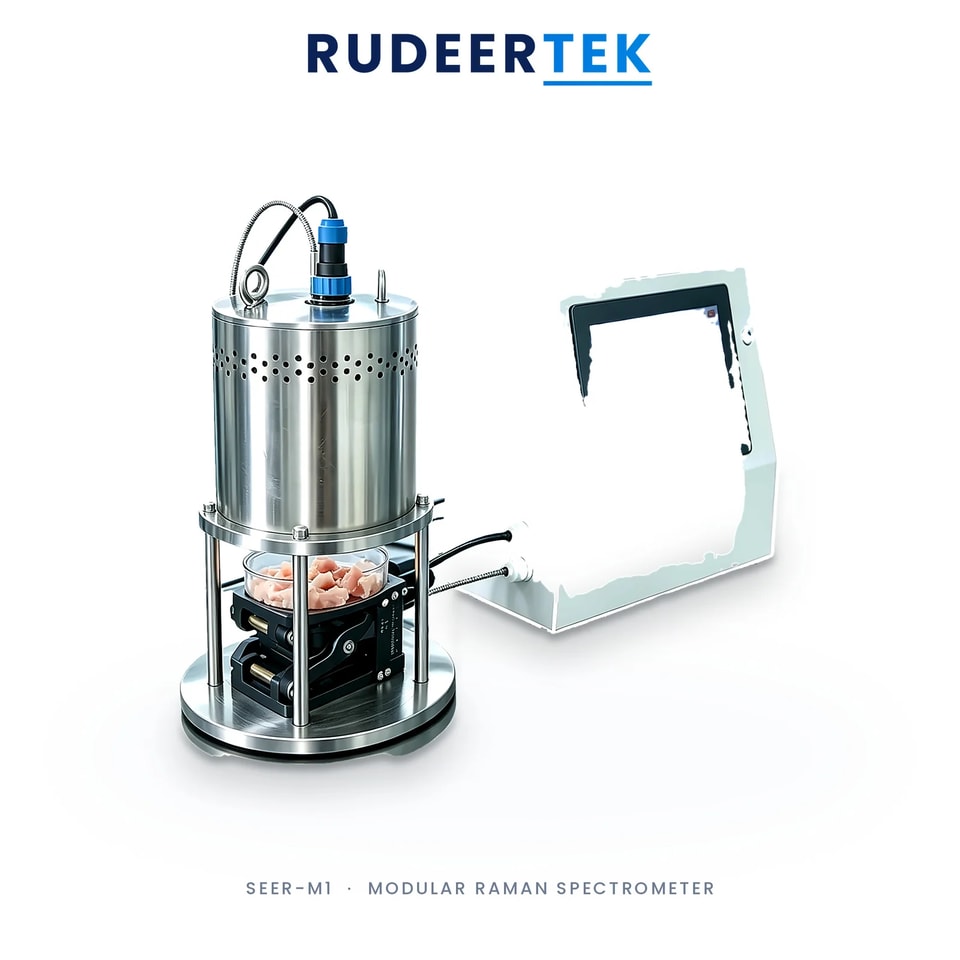
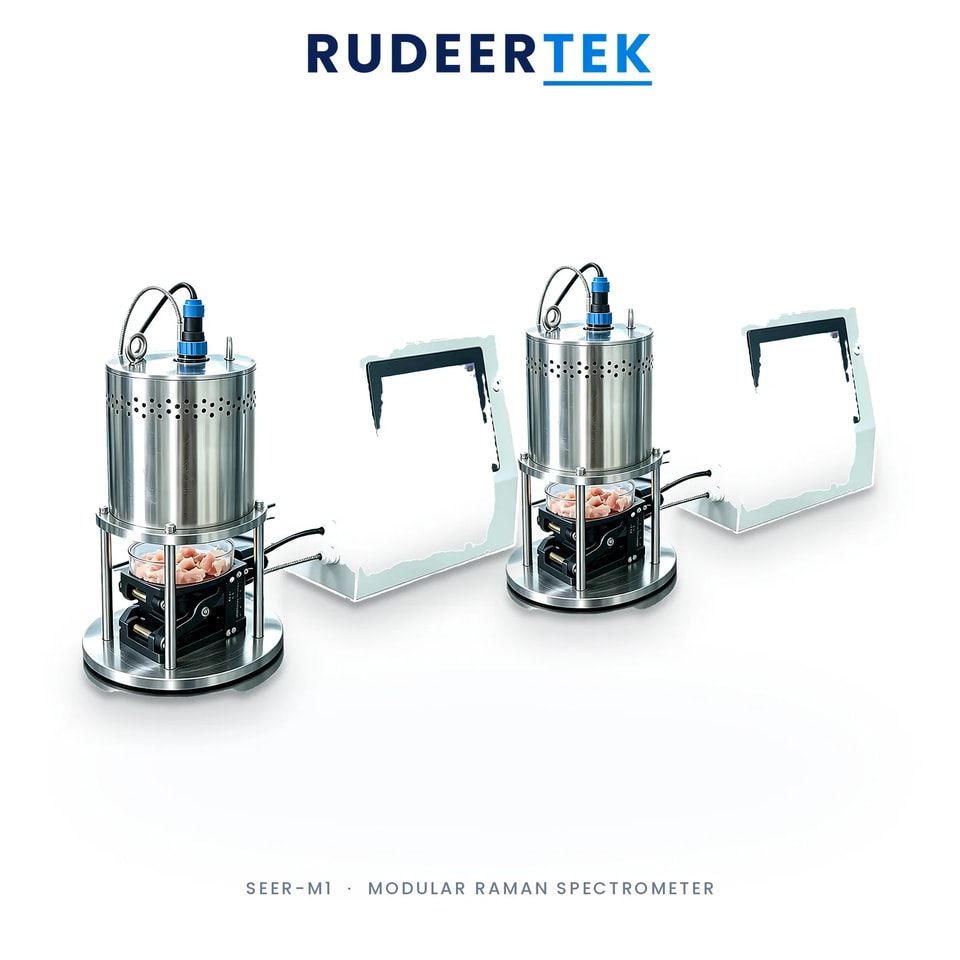
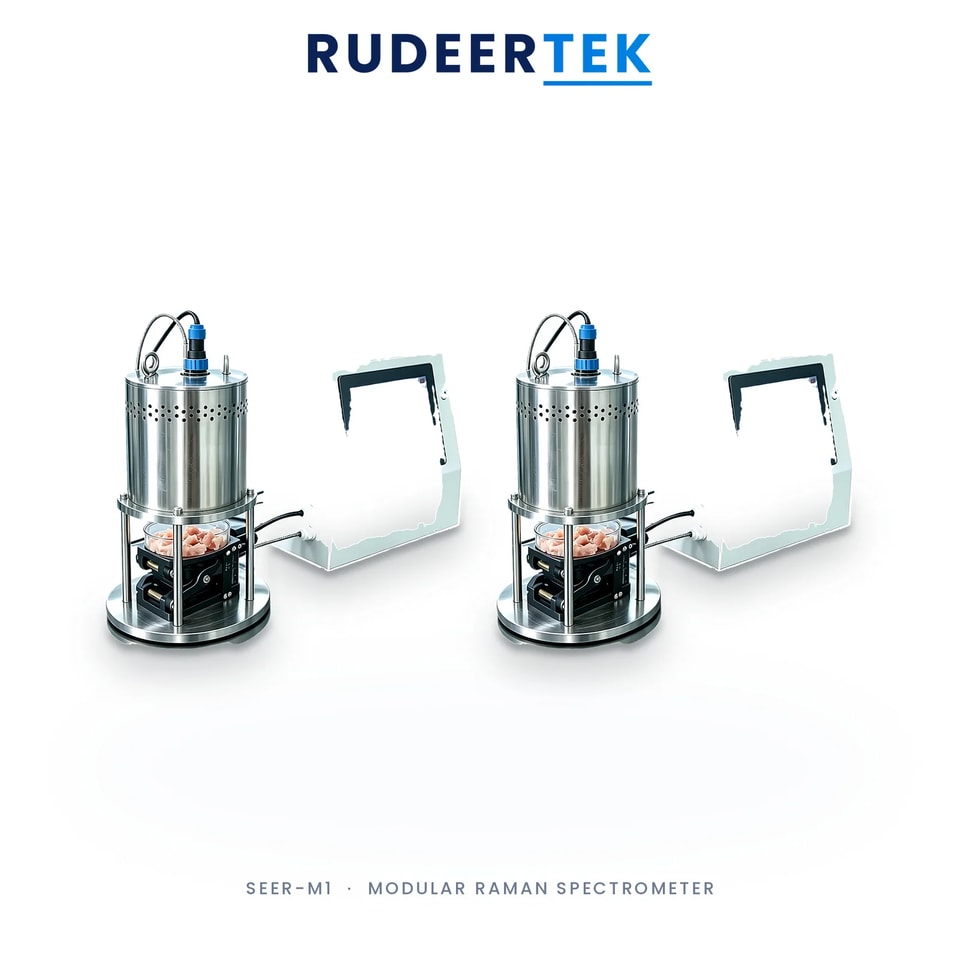
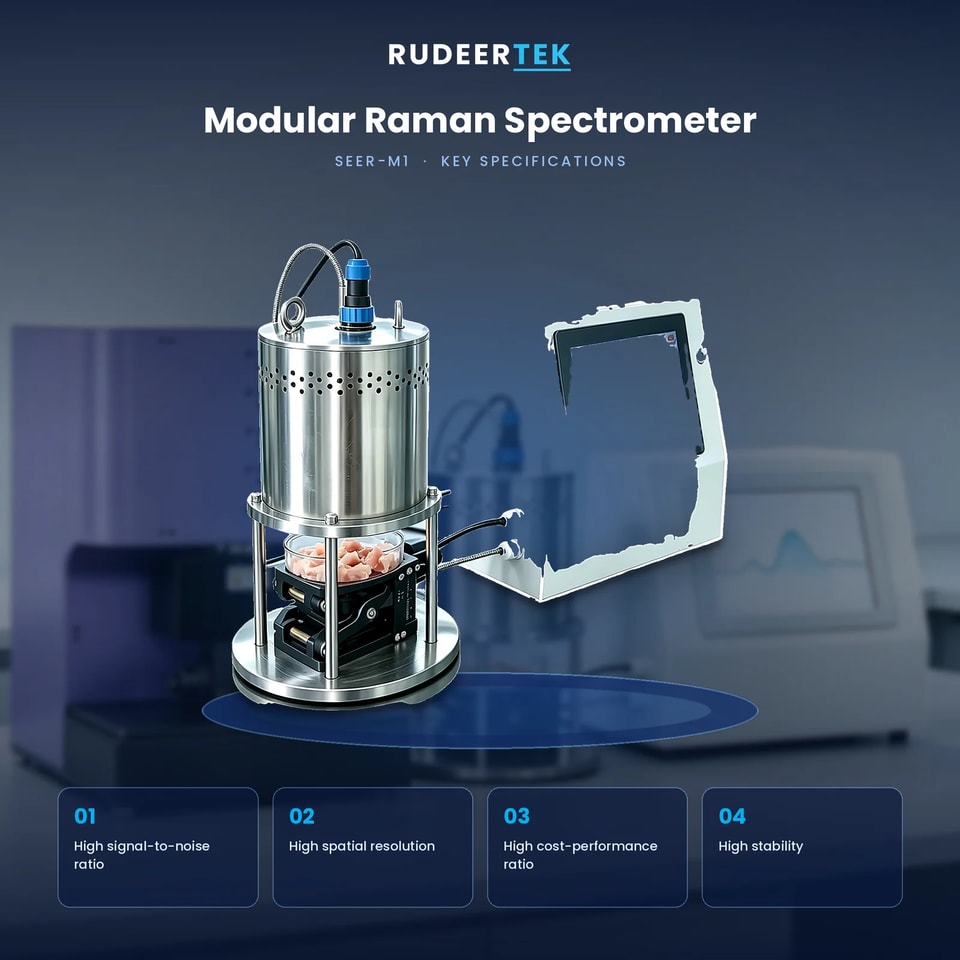
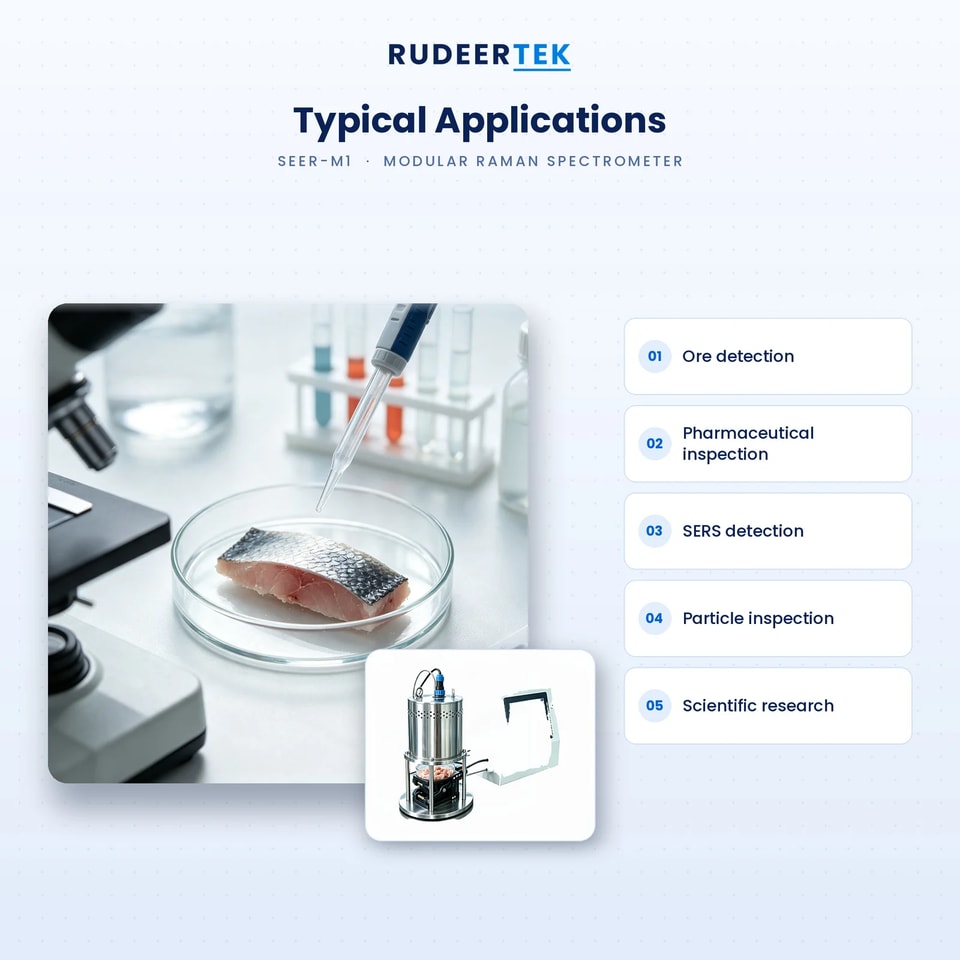

SEER-M1 Modular Raman Spectrometer
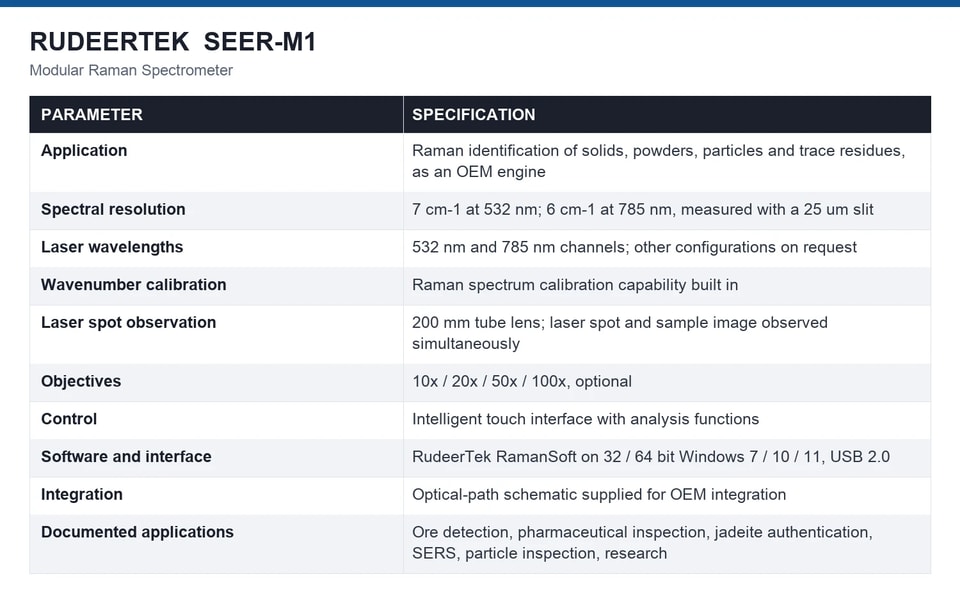
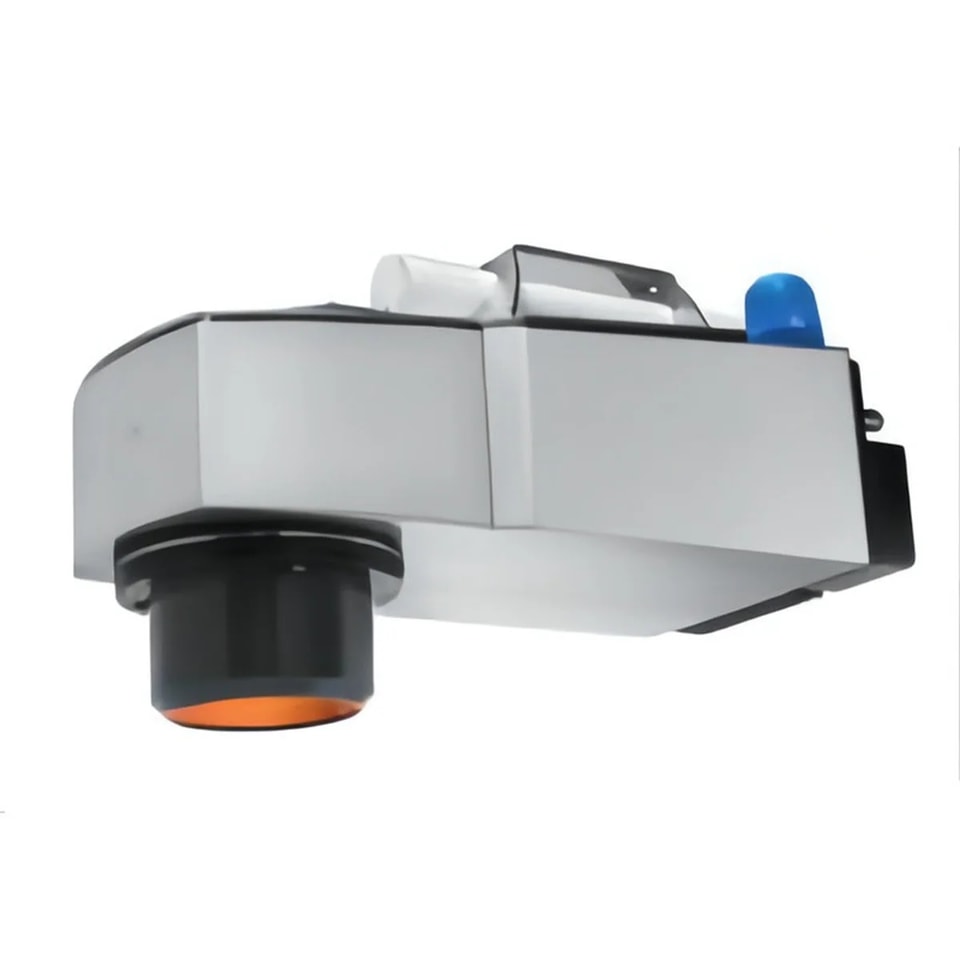
The SEER-M1 is the modular member of the SEER Raman family: a Raman spectrometer built as an engine that can be integrated into an instrument, a production line or a portable analyser rather than used as a laboratory microscope. It keeps the optical performance of the series, with a 7 cm-1 resolution at 532 nm and 6 cm-1 at 785 nm measured at a 25 um slit, a high signal-to-noise ratio and high spatial resolution, and it supports Raman calibration so the wavenumber axis stays true. The design is built around a stable optical bench with a defined optical path, and the manufacturer supplies the optical-path schematic, which is what an OEM needs in order to design a probe, a sample interface or an enclosure around the engine. Control is through an intelligent touch interface with a rich set of analysis functions, and the laser spot and the sample image can be observed together.
· Raman engine designed for integration, with the optical-path schematic supplied so a probe and enclosure can be designed around it.
· 7 cm-1 resolution at 532 nm and 6 cm-1 at 785 nm, measured with a 25 um slit, with a high signal-to-noise ratio.
· High spatial resolution and a stable optical bench, so a spectrum taken today can be compared with one taken next month.
· Raman spectrum calibration capability keeps the wavenumber axis true across the life of the instrument.
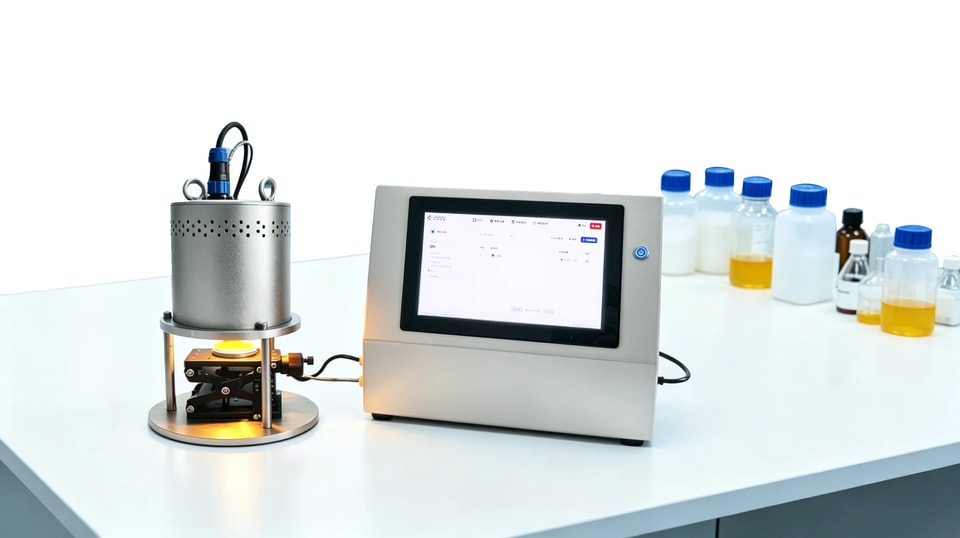
· Intelligent touch control with a rich set of analysis functions, so the module can be operated without an external PC.
· Laser spot and sample image observed simultaneously, which makes it practical to aim at a small particle or a fibre.
The SEER-M1 is used by instrument builders and by plants that need Raman identification inside their own equipment: ore and mineral sorting, pharmaceutical identification at goods-in and on the line, jadeite and gemstone verification, SERS trace detection, particle and inclusion inspection, and research benches that need a Raman engine with a documented optical path. It is also used in portable analysers for field identification of materials, where a compact Raman module with a defined interface is easier to integrate than a full microscope.
What is the difference between the M1 and the D1?
The D1 is a complete microscopic Raman system with the microscope, the objectives and the dual-laser path integrated. The M1 is the modular engine: the spectrometer and its control, with the optical path documented so it can be built into your own instrument, probe or enclosure. If you need a microscope out of the box, take the D1; if you are building a product, take the M1.
Can I use my own probe?
Yes, that is the point of the modular design. The optical-path schematic is supplied precisely so a fiber probe, a cuvette holder or a process interface can be matched to the spectrometer's input.
Does it need a computer?
No. The intelligent touch interface carries the acquisition and the analysis functions, and the Windows software is there for method development and data export.
How stable is the wavenumber axis?
The bench is built for stability and the instrument provides Raman calibration, which is what keeps a spectral library valid over time. Re-run a calibration standard on the schedule your method requires.
Which laser for which sample?
532 nm for minerals, inorganic pigments and strong scatterers; 785 nm for coloured, organic, biological and polymer samples where 532 nm would excite fluorescence or burn the surface. The two channels are separate configurations, so state the laser when ordering.
Solutions & Support
We go the extra mile to thoroughly analyze each project and deliver tailored business solutions that meet your specific requirements.
Contact US
×