

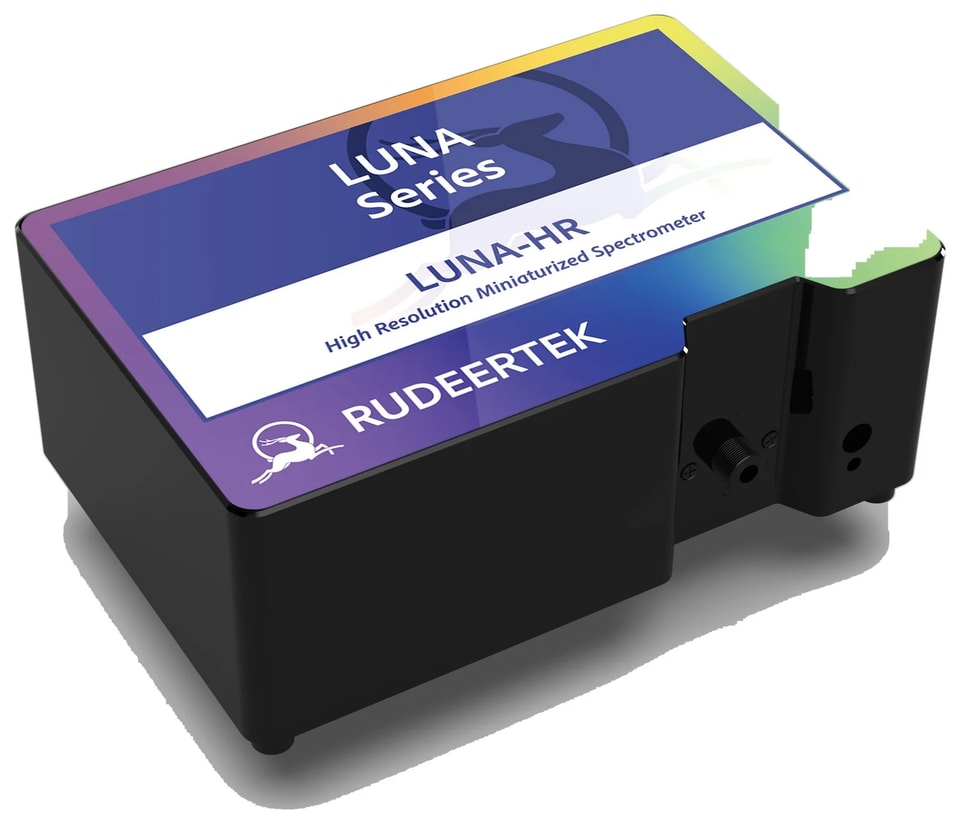
LUNA-HR High-Resolution Miniature Spectrometer
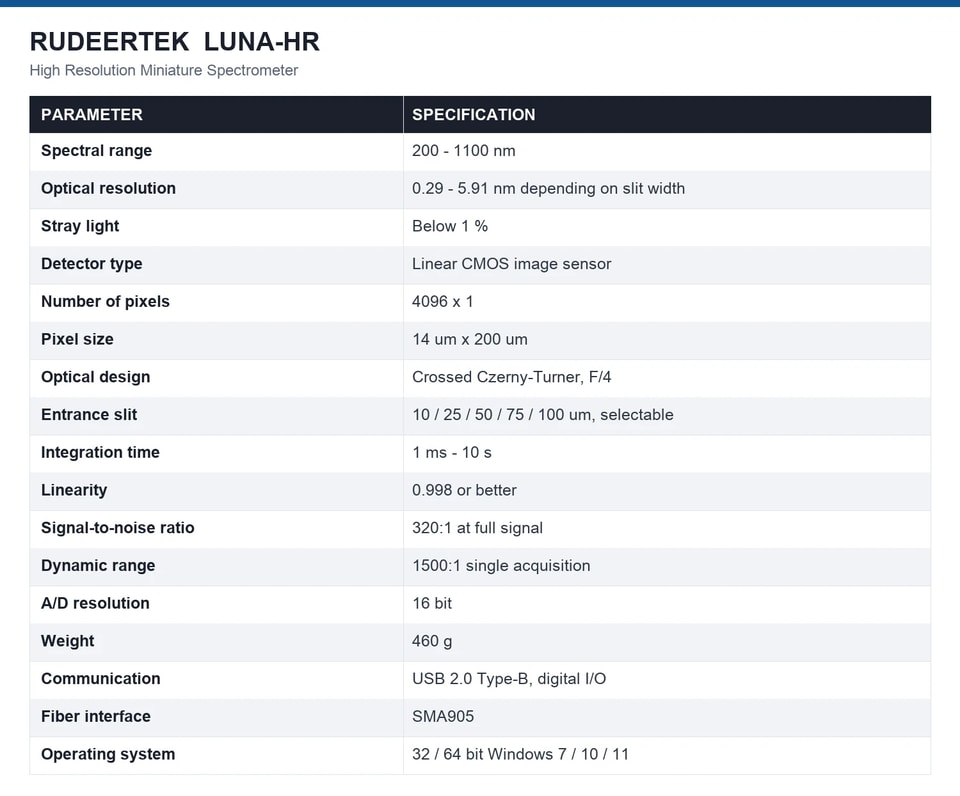
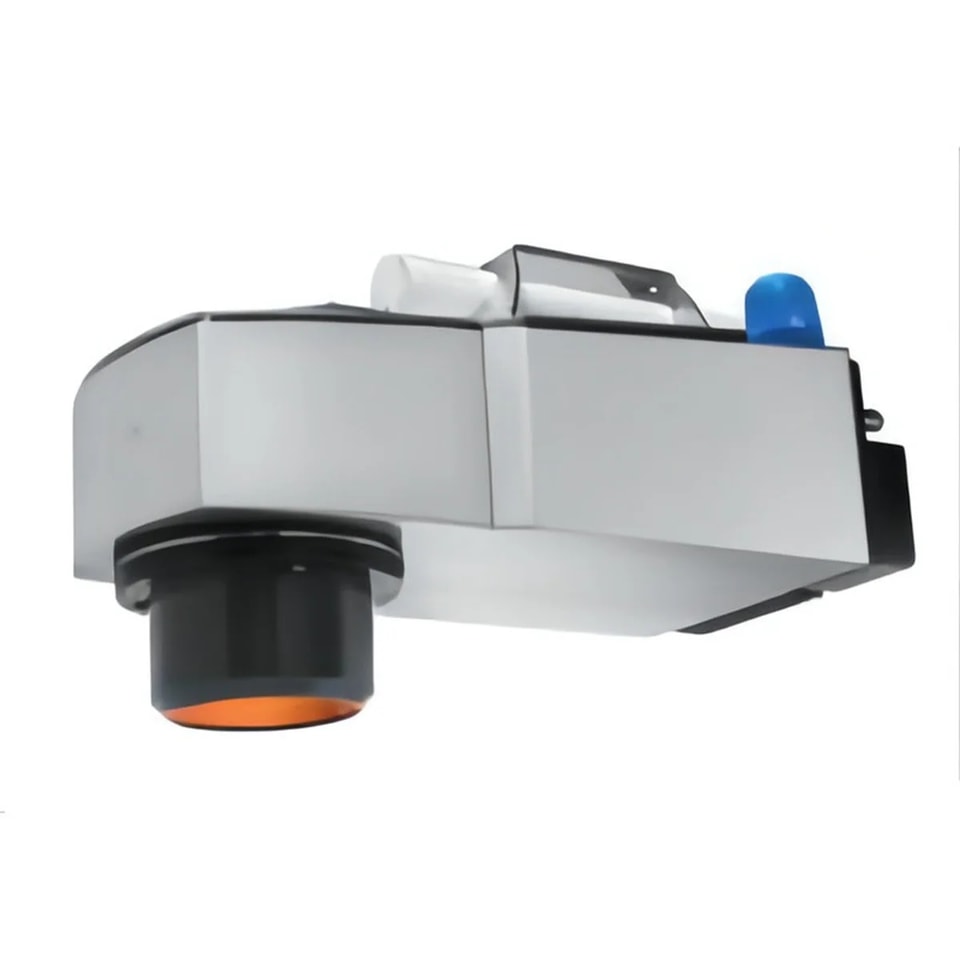
The LUNA-HR takes the LUNA-HS platform and doubles the detector: a 4096-pixel linear CMOS array with 14 x 200 um pixels behind the same F/4 crossed Czerny-Turner bench, which halves the wavelength interval per pixel and brings optical resolution down to 0.29 nm at the narrow-slit end, against 0.39 nm for the 2048-pixel version. That matters when the spectrum contains narrow features: laser linewidth and mode structure, atomic emission lines, gas absorption bands, or the fine structure of a Raman shift in the visible. The range is 200 to 1100 nm, stray light stays below 1 %, the dynamic range is 1500:1 in a single acquisition and the signal-to-noise ratio 320:1 at full signal, with an integration time from 1 ms to 10 s and a 16-bit A/D. The module is 460 g with an SMA905 fiber input, USB 2.0 Type-B and digital I/O.
· 4096-pixel CMOS array doubles the sampling of the standard bench and brings resolution down to 0.29 nm.
· 14 x 200 um pixels keep the light throughput of the larger pixel while halving the wavelength step.
· Covers 200 to 1100 nm, so UV lines, visible bands and near-infrared features appear in one acquisition.
· 1500:1 dynamic range in a single shot and 320:1 signal-to-noise ratio, with stray light below 1 %.
· Integration time from 1 ms to 10 s, which covers a laser pulse train and a weak fluorescence signal.
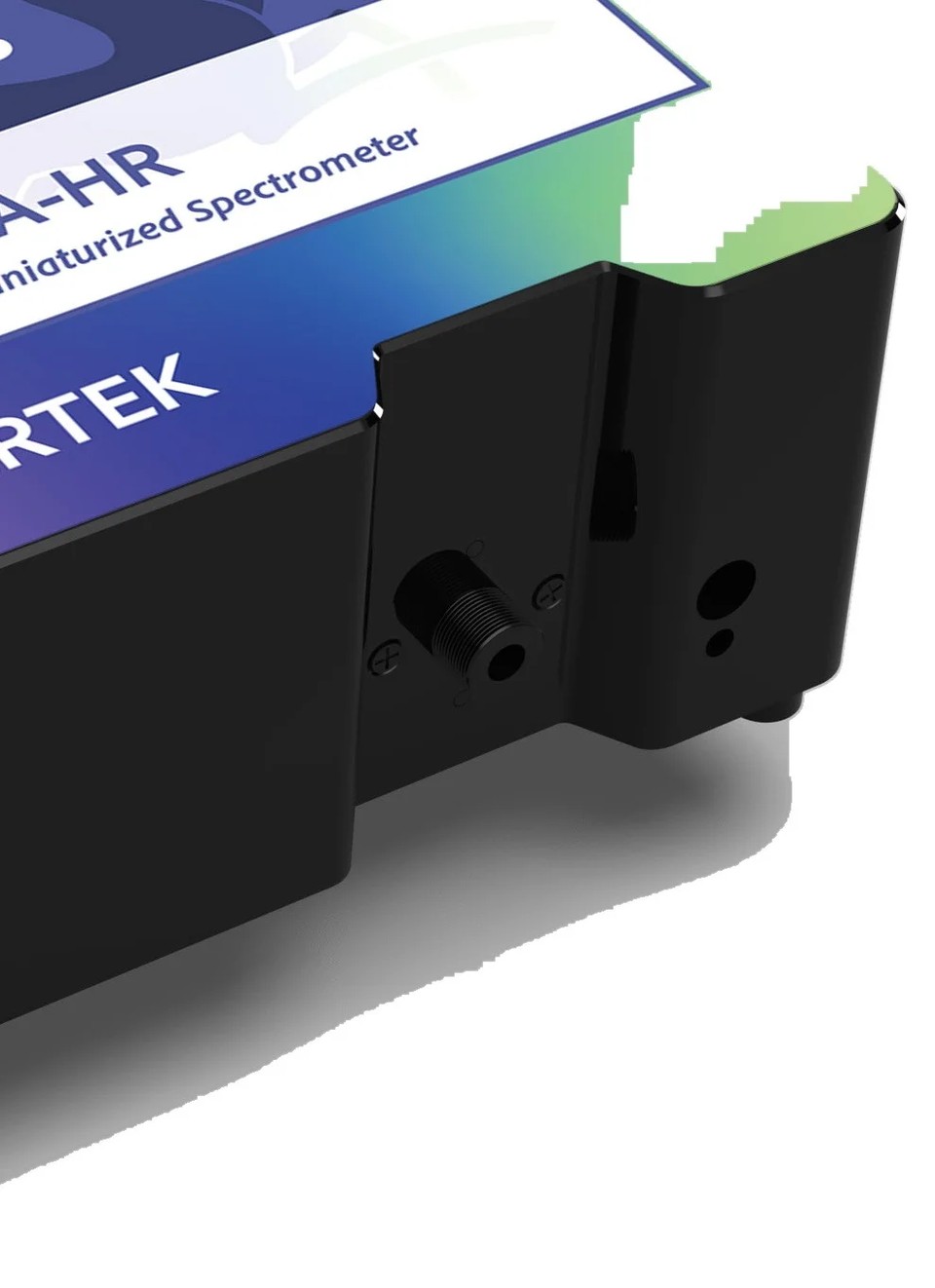
· 460 g module with SMA905 input, USB 2.0 Type-B and digital I/O, on 32 or 64 bit Windows 7, 10 or 11.
The LUNA-HR is used for laser and LED spectral characterisation, plasma and arc emission monitoring, gas absorption spectroscopy, Raman and fluorescence measurement in the visible, thin-film interference and optical filter testing, and any application where two spectral lines a fraction of a nanometre apart have to be separated. It is also used inside OEM instruments that need better resolution than a 2048-pixel bench can give at the same size.
How much better is the resolution in practice?
At the same 25 um slit, the 4096-pixel bench resolves about 25 % finer than the 2048-pixel version, because the wavelength step per pixel is halved. The exact figure depends on the slit: 0.29 nm is the narrow-slit end and 5.91 nm the wide-slit end.
Will I lose light with the finer sampling?
No. The pixel height is the same 200 um, so throughput is unchanged; what changes is that each pixel covers half the wavelength interval, so a narrow line falls on more pixels and is better defined.
Can it resolve a laser linewidth?
It resolves the envelope and the mode structure of most diode and DPSS lasers in the visible, but not the true linewidth of a single-frequency laser, which is far below the instrument function. For that, a Fabry-Perot or a heterodyne measurement is needed.
What slit should I order?
10 or 25 um for laser and emission work where resolution matters more than light, 50 um as a general-purpose compromise, and 100 um where the sample is dim and 5.9 nm resolution is acceptable.
Is it a drop-in replacement for the LUNA-HS?
Yes, in the mechanical and electrical sense: same 460 g housing, same SMA905 input and USB 2.0 interface. The spectra have twice as many points, so the acquisition software has to handle the larger array.
Solutions & Support
We go the extra mile to thoroughly analyze each project and deliver tailored business solutions that meet your specific requirements.
Contact US
×