

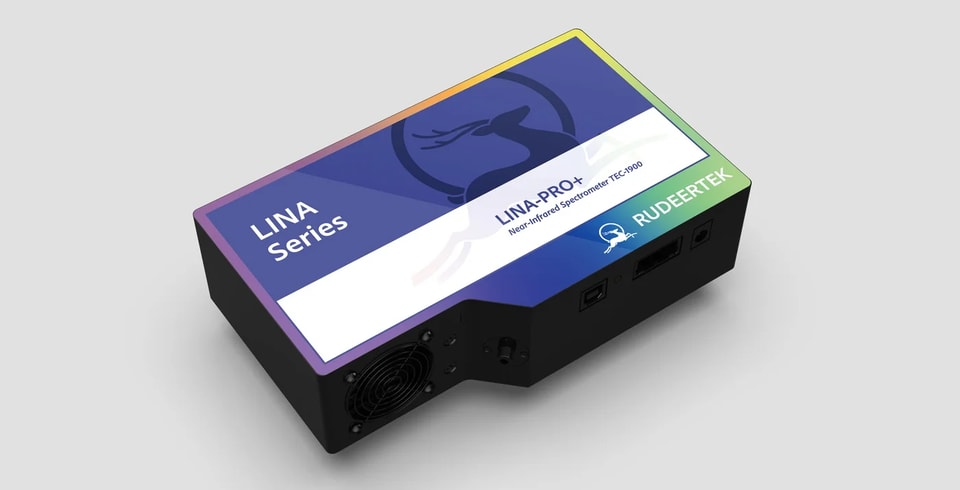
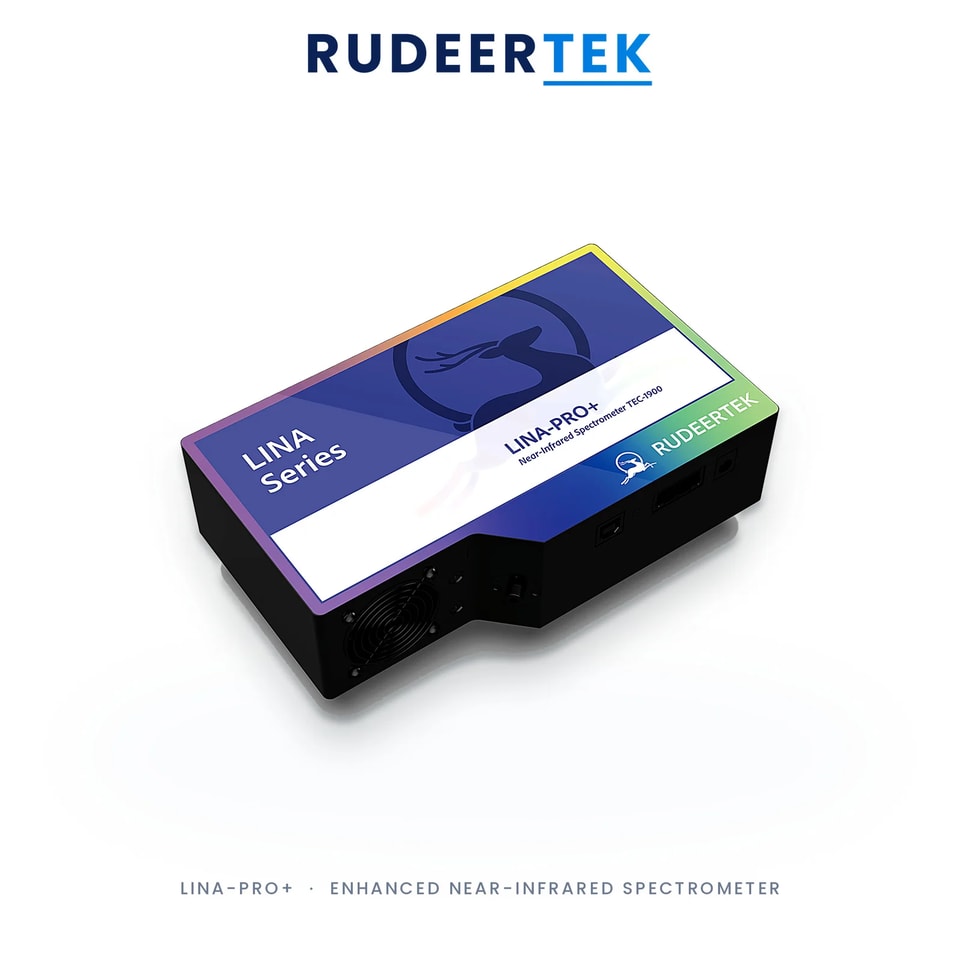
LINA-PRO+ Enhanced NIR Spectrometer
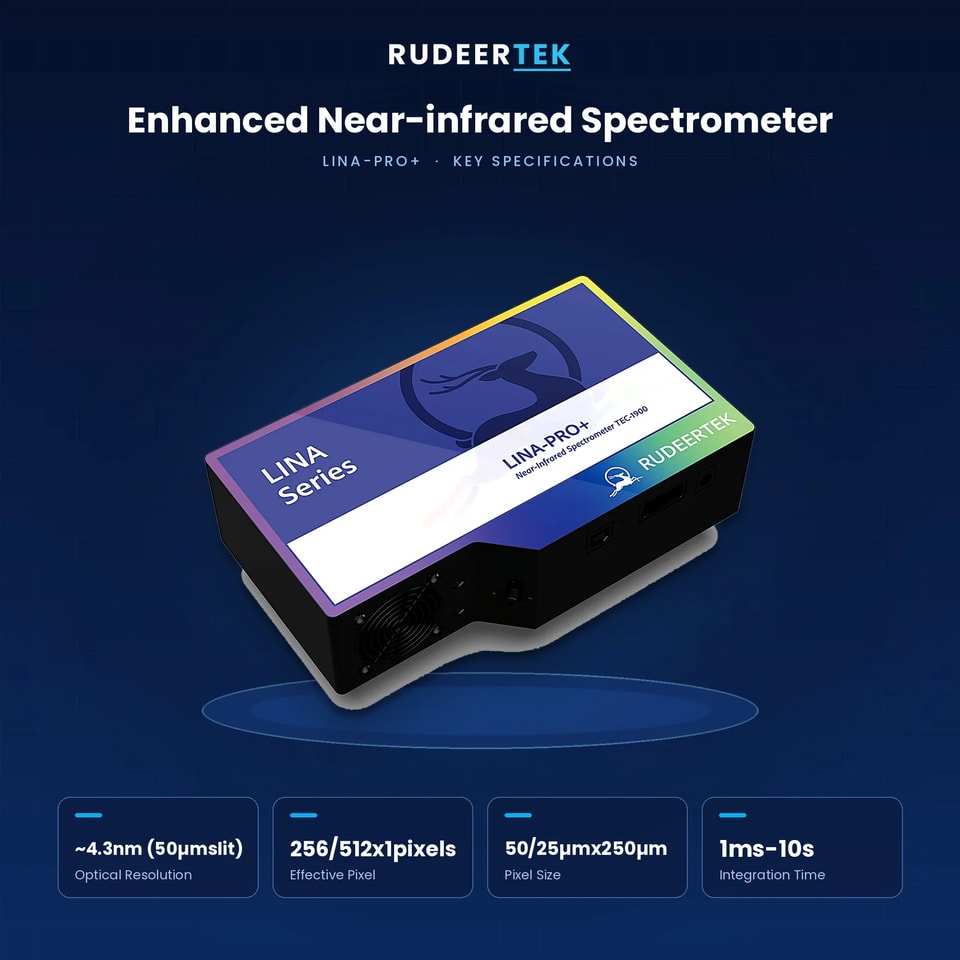
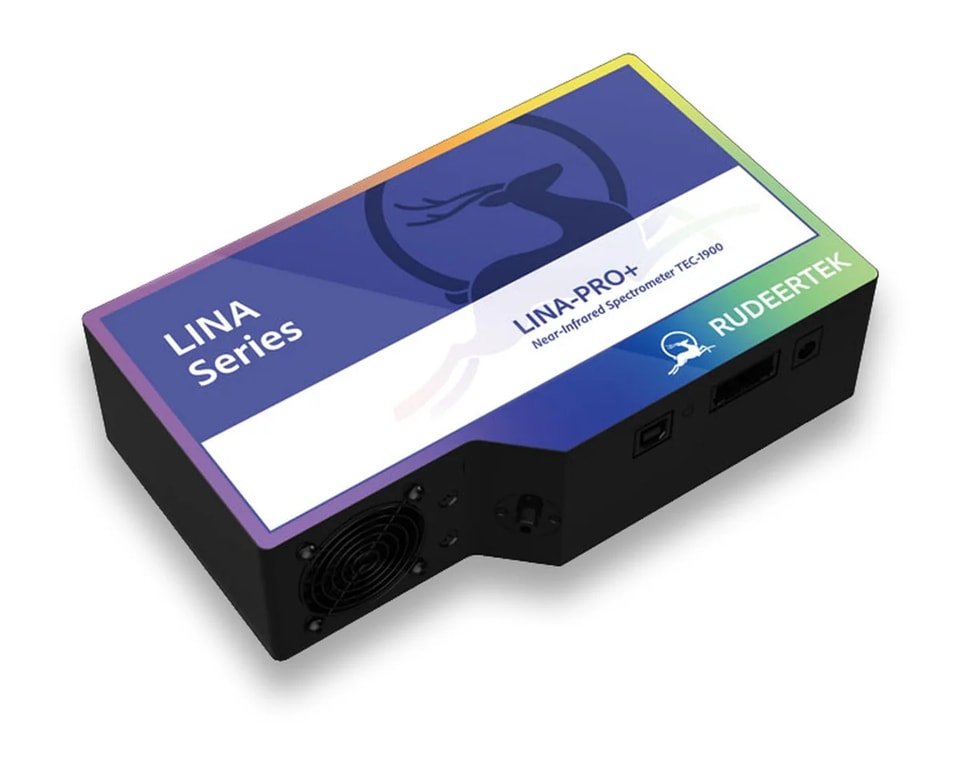
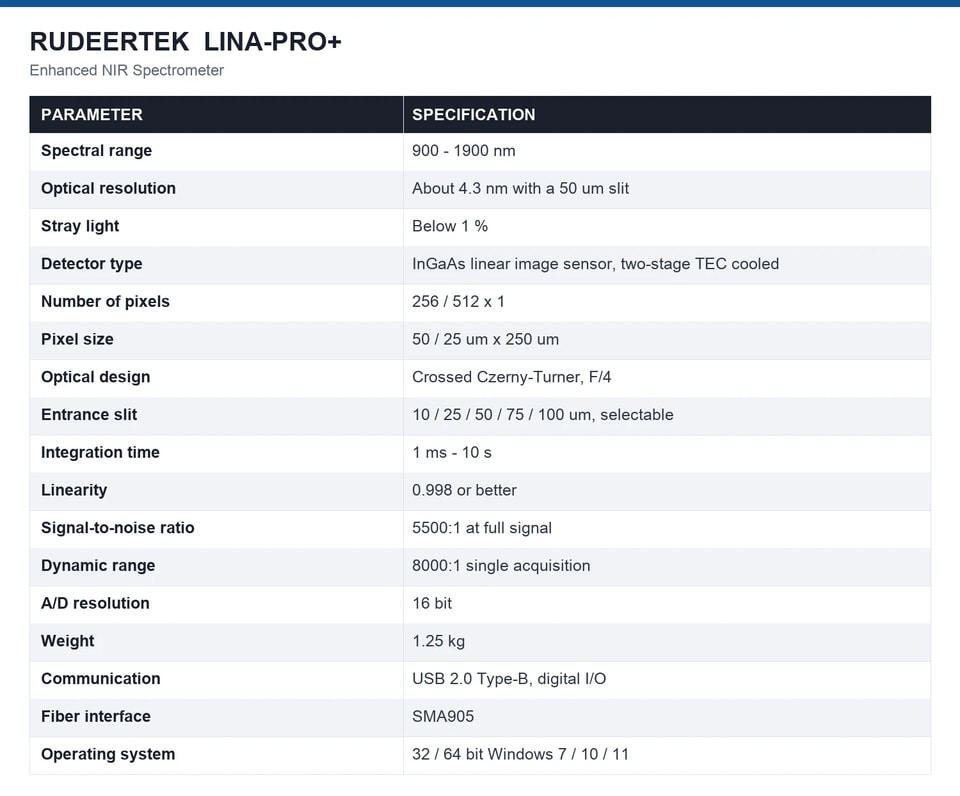
The LINA-PRO+ is the enhanced version of the LINA-PRO: the same 900 to 1900 nm InGaAs range and the same crossed Czerny-Turner bench, but with a two-stage thermoelectric cooler on the detector, which takes the signal-to-noise ratio to 5500:1 at full signal and the dynamic range to 8000:1 in a single acquisition. Two-stage cooling holds the array colder than a single stage can, so dark current falls further and the baseline stays flat through a long integration. For a quantitative NIR method the practical effect is that longer integration times stop being penalised, which is what a weak diffuse-reflectance signal from a dark or coarse product needs. Resolution is about 4.3 nm at a 50 um slit, stray light stays below 1 %, the A/D is 16 bit, integration runs from 1 ms to 10 s, and the 1.25 kg housing takes an SMA905 fiber with USB 2.0 Type-B and digital I/O.
· Two-stage TEC cooling takes the InGaAs array colder than a single stage, cutting dark current further.
· Signal-to-noise ratio of 5500:1 at full signal and 8000:1 dynamic range, the highest in the 1900 nm LINA models.
· 900 to 1900 nm coverage with the first-overtone and combination bands used by moisture, protein and fat methods.
· About 4.3 nm resolution at a 50 um slit, stray light below 1 % and a 16-bit A/D for quantitative work.
· Integration time from 1 ms to 10 s, so a weak diffuse reflectance can be accumulated without a noise penalty.
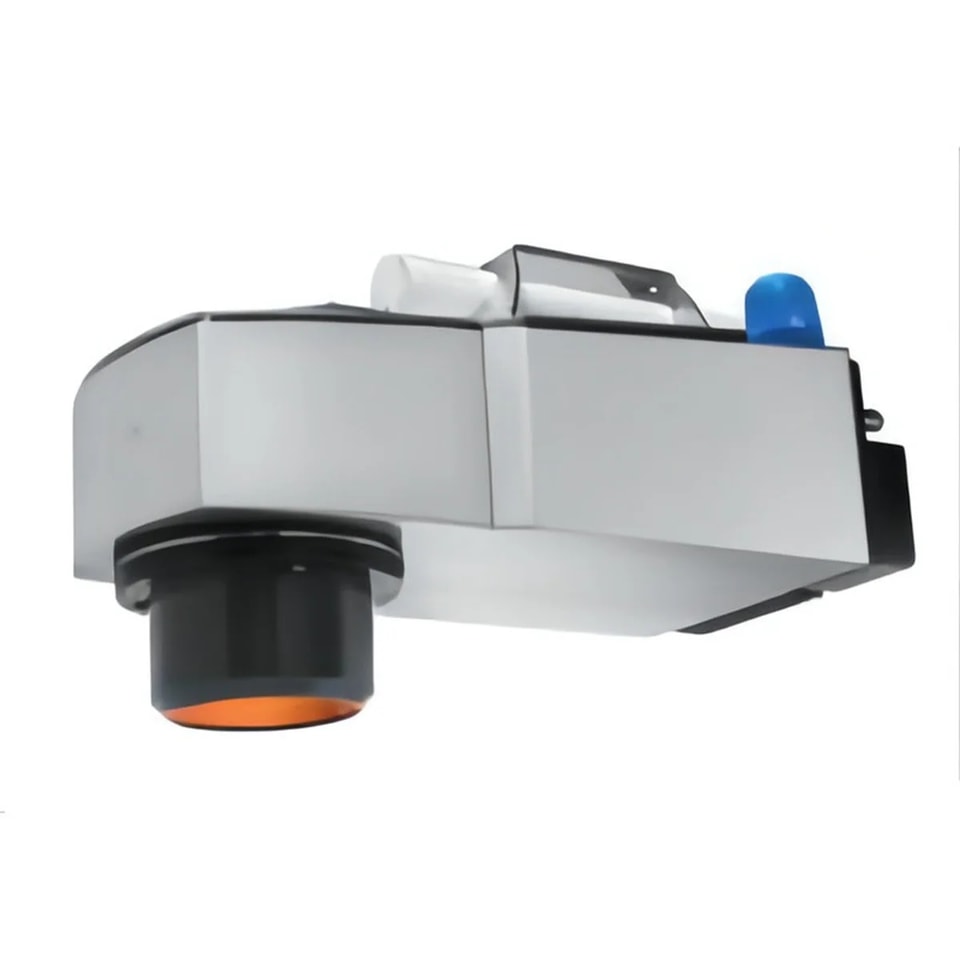
· 1.25 kg housing with SMA905 input, USB 2.0 Type-B and digital I/O, on Windows 7, 10 or 11.
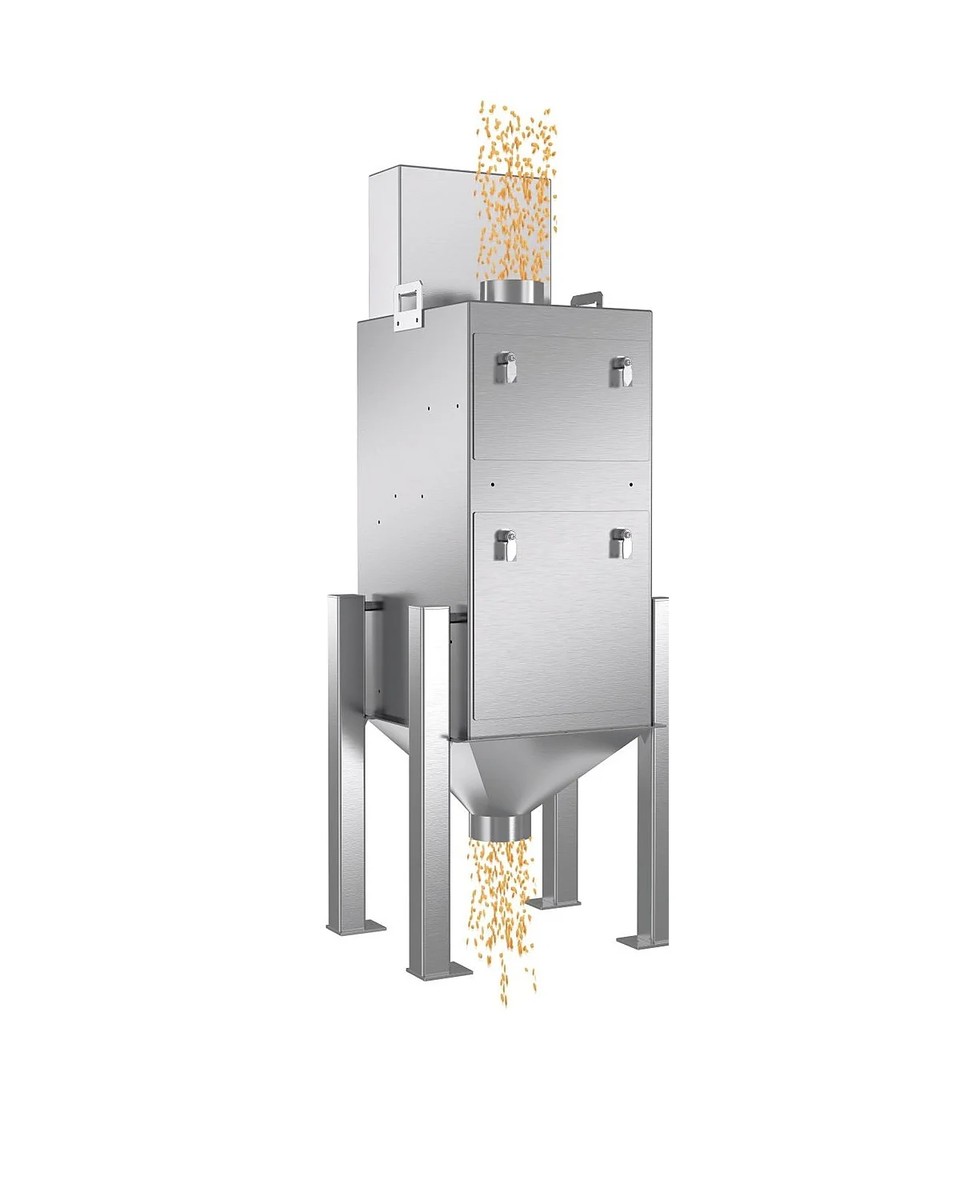
The LINA-PRO+ is used for NIR methods that need the best signal the LINA platform can give in the 900 to 1900 nm band: trace constituents in grain and oilseed, low-level moisture in polymers and pharmaceuticals, protein and fat in feed and dairy, and on-line analysers that must hold a calibration for a full production campaign. It is also used where a dark or coarse sample gives a weak reflectance and the integration time has to be pushed to hundreds of milliseconds.
What does the plus add over the LINA-PRO?
Two-stage cooling instead of one. The detector runs colder, dark current is lower, and the noise floor is 5500:1 and 8000:1 instead of 5000:1 and 7000:1. The optics and the 900 to 1900 nm range are the same.
Where does that extra margin show up?
In long integration times. If your measurement needs 200 to 500 ms to collect enough light, the dark-current contribution is what limits the signal-to-noise ratio, and the second cooling stage is what buys it back. For short exposures on a bright sample the difference is small.
Which pixel height applies?
The LINA-PRO+ uses 50 x 250 um pixels, so the slit image is matched to a shorter pixel than the 500 um of the LINA-PRO. That suits a fiber-coupled input where the slit is imaged tightly.
Does it need more ventilation?
Yes. A two-stage cooler moves more heat, so the housing needs free air and a mounting that does not trap heat. In an OEM enclosure, plan an air path or a heat sink to the case.
Can it still be used for on-line analysis?
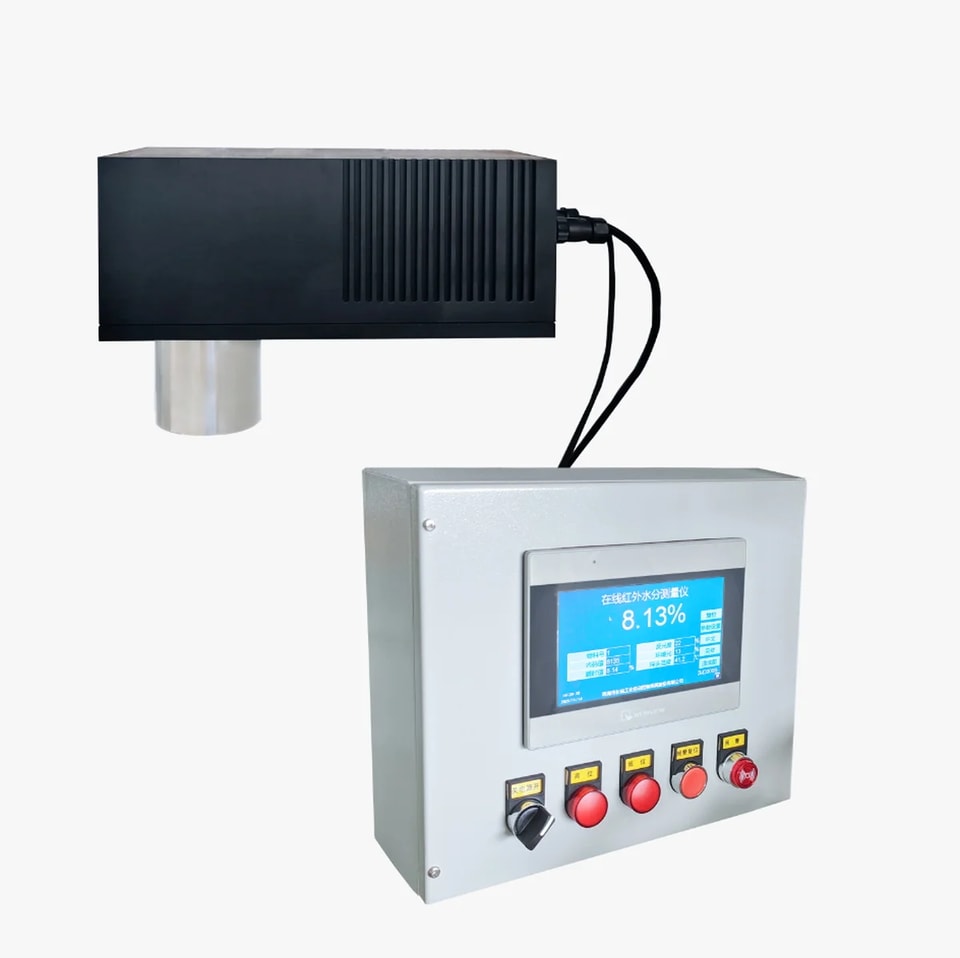
Yes. The 900 to 1900 nm band, the SMA905 fiber input and the USB interface are the same as the rest of the LINA family, so it drops into an analyser the same way; the cooler simply has to be given a thermal path.
Solutions & Support
We go the extra mile to thoroughly analyze each project and deliver tailored business solutions that meet your specific requirements.
Contact US
×